Psoriasis
What is Psoriasis
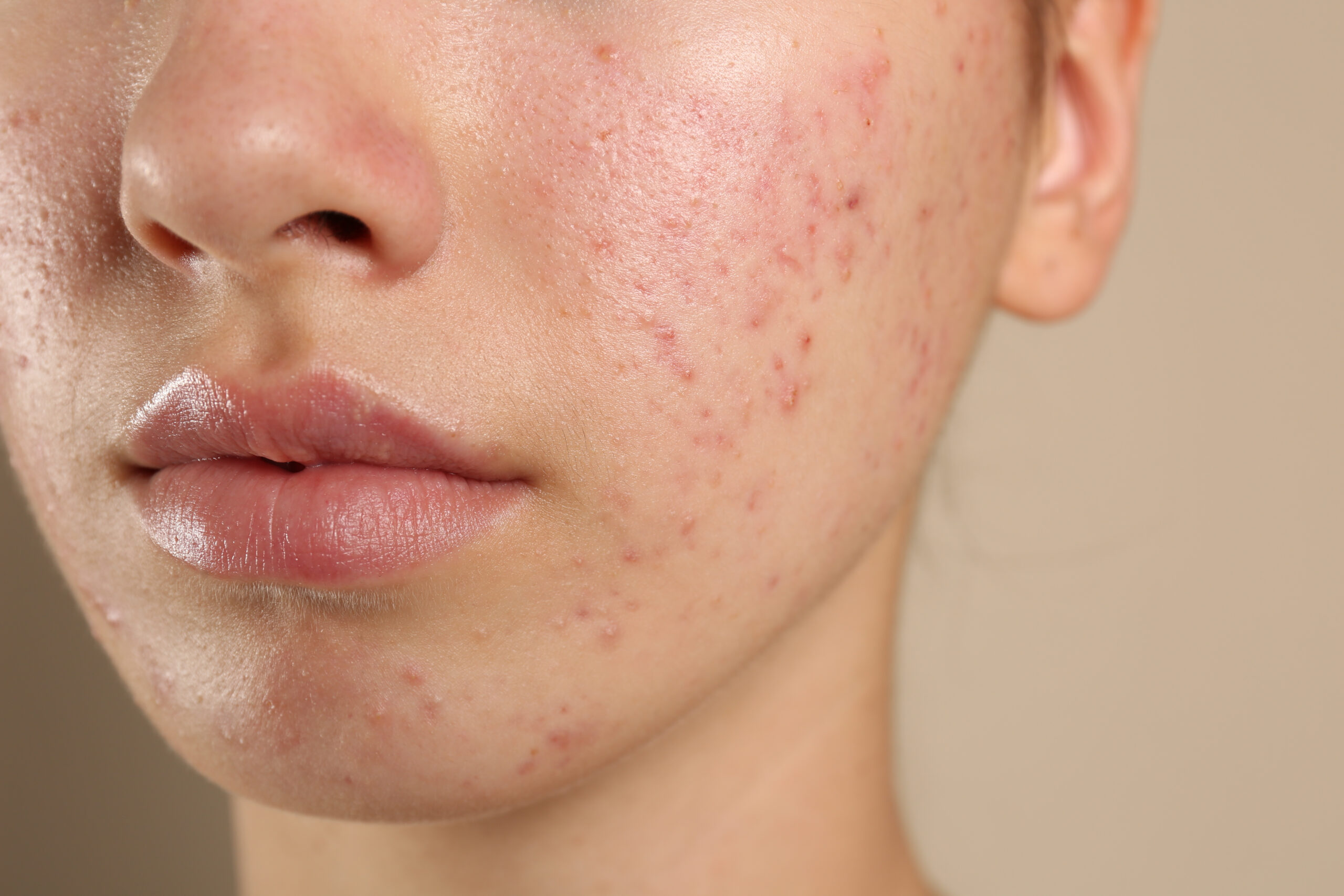
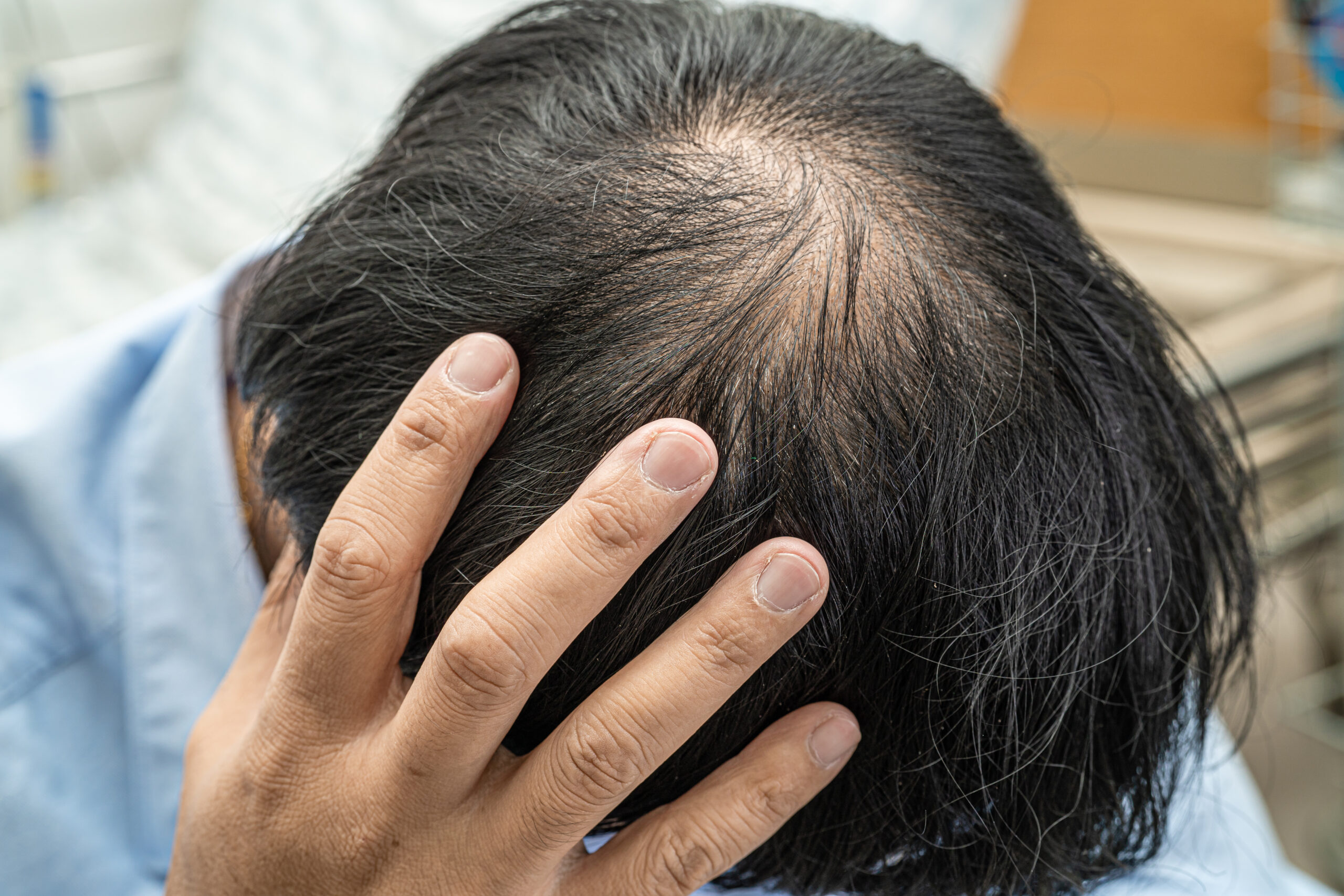
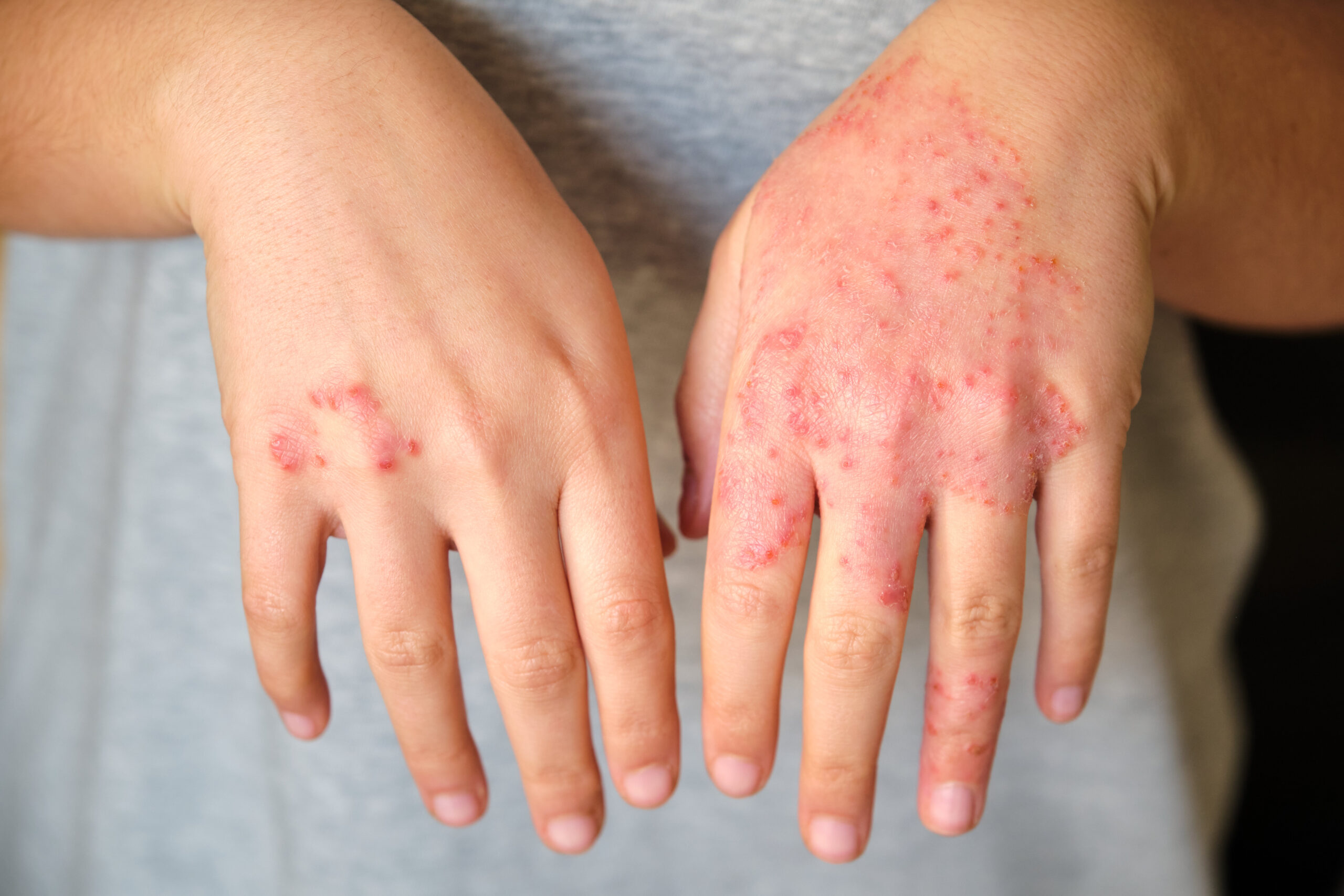
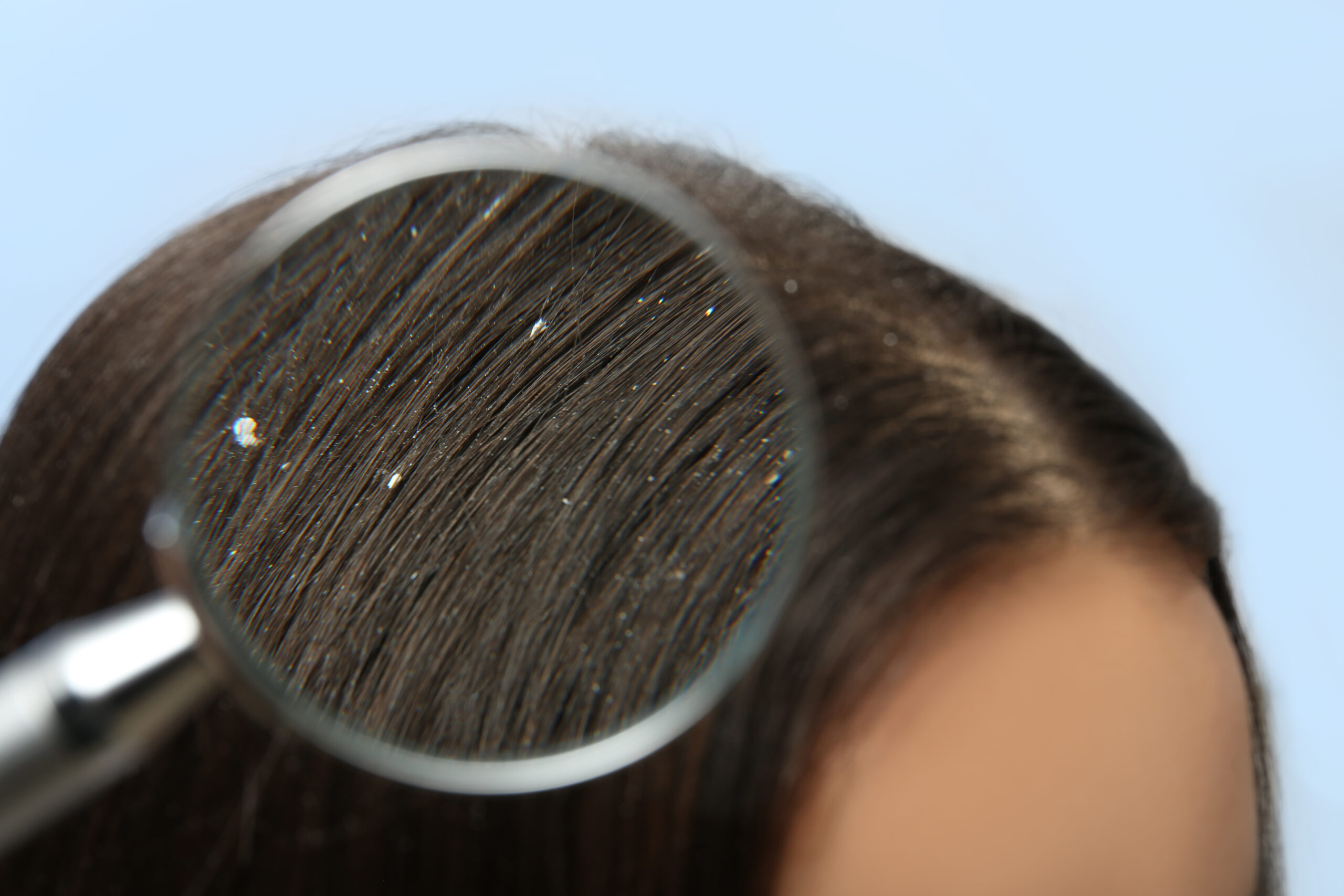
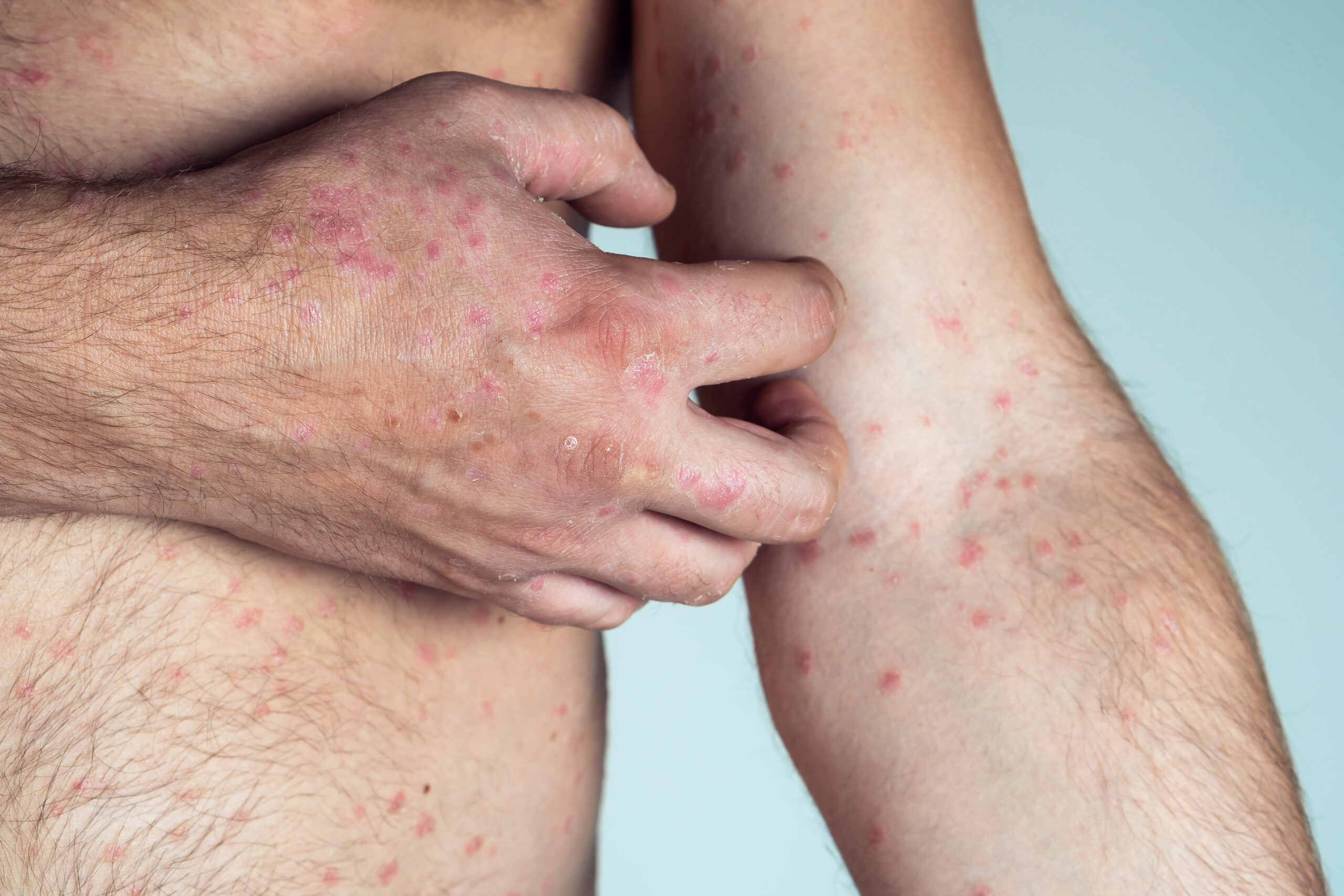
Psoriasis is a chronic skin condition that occurs when new skin cells grow too quickly, covering up the existing cells with a scaly red or hyperpigmented rash. Normal skin cells turn over and flake off about every four weeks (once a month). Patients with psoriasis have skin cells that replicate too quickly and form itchy plaques. They can range in size and location on your body, most commonly forming around the elbows, hands, knees, scalp, and trunk. Psoriasis comes in many different forms, from mild to severe and can also affect your joints. In these cases, systemic treatments are often indicated. It’s essential to remember that psoriasis is not contagious and cannot be spread from person to person. When it’s diagnosed, it’s merely a matter of addressing the symptoms so flare-ups can be minimized.
Symptoms & Indicators
It usually happens because
How do we treat Psoriasis
Though there is no permanent cure for psoriasis, with the right diagnosis and treatment, you can control your symptoms and live comfortably. Treatments will depend on the type of psoriasis you have and the severity of your symptoms. Mild cases may be cleared with prescription lotions, creams, and ointments. If your scalp is affected, shampoos, sprays, and oils can be used. Patients with moderate to severe psoriasis might require systemic prescription drugs, either taken by mouth or injected, which work through the entire body. These medications are commonly used for patients with moderate or severe psoriasis and psoriatic arthritis and work by calming down the immune system internally. In addition to conventional treatments, advances in laser therapy have provided tremendous benefits for many psoriasis cases. Utilizing phototherapy to expose an individual’s skin to a special ultraviolet light also helps reduce symptoms.
After Treatment
Treatment can reduce scaling, redness, and itching, and may lengthen the time between flares. Better control also improves your sleep, joint comfort, and emotional well-being.
Schedule A Private Assessment
Frequently Asked Questions
Is psoriasis contagious?
No, it is not contagious.
Can it affect my joints?
Yes, some people develop psoriatic arthritis and require systemic treatment.
Is there a cure?
No, but it can be well controlled.
Do diet changes help?
Some people find triggers including gluten and alcohol, but diet is not a cure.
How often will I flare?
It varies from person to person; however, treatment and trigger identification and avoidance can reduce flares.
Get In Touch
Have questions? Or want to speak with an expert first?