Acne
What is Acne
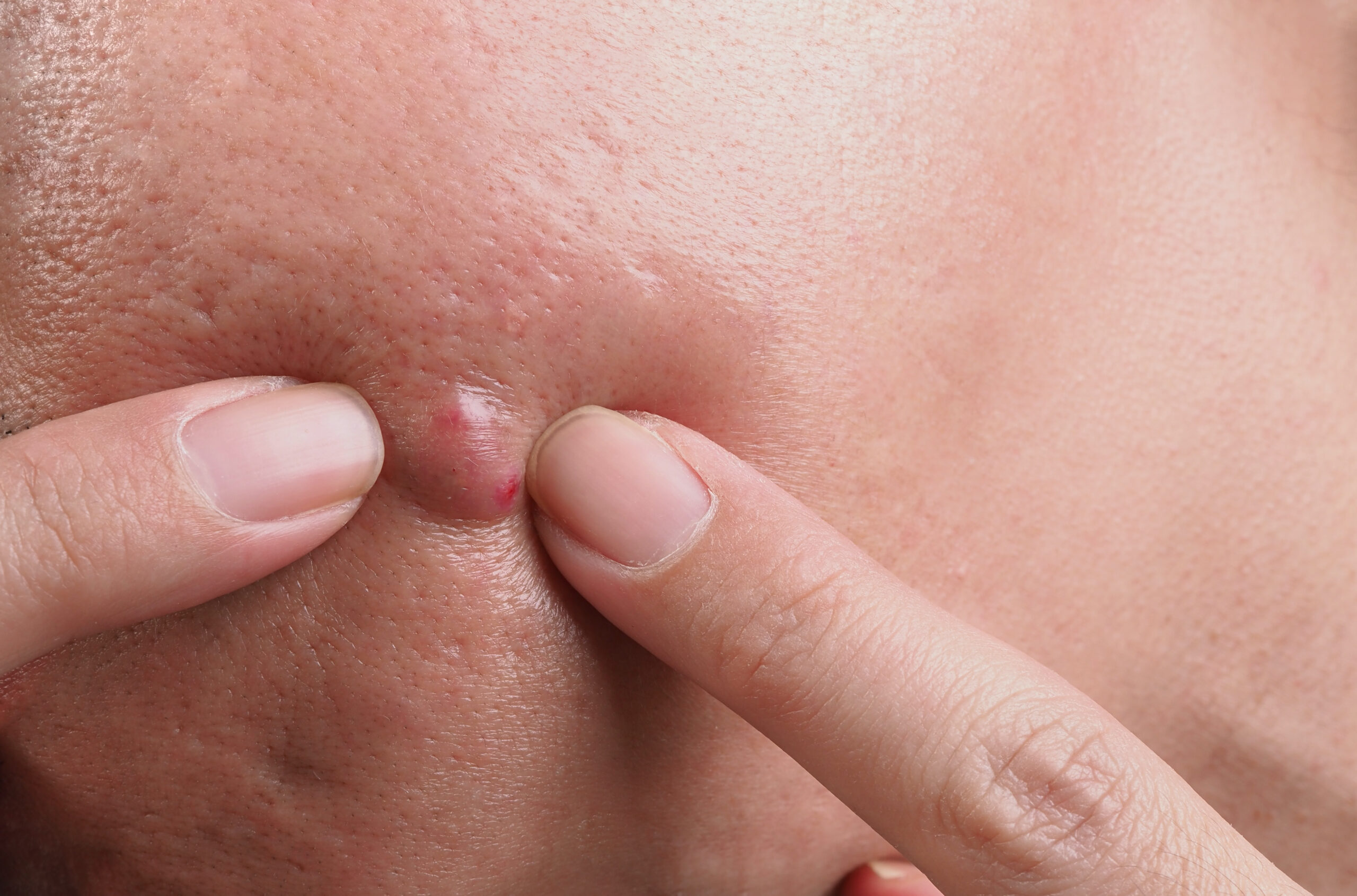
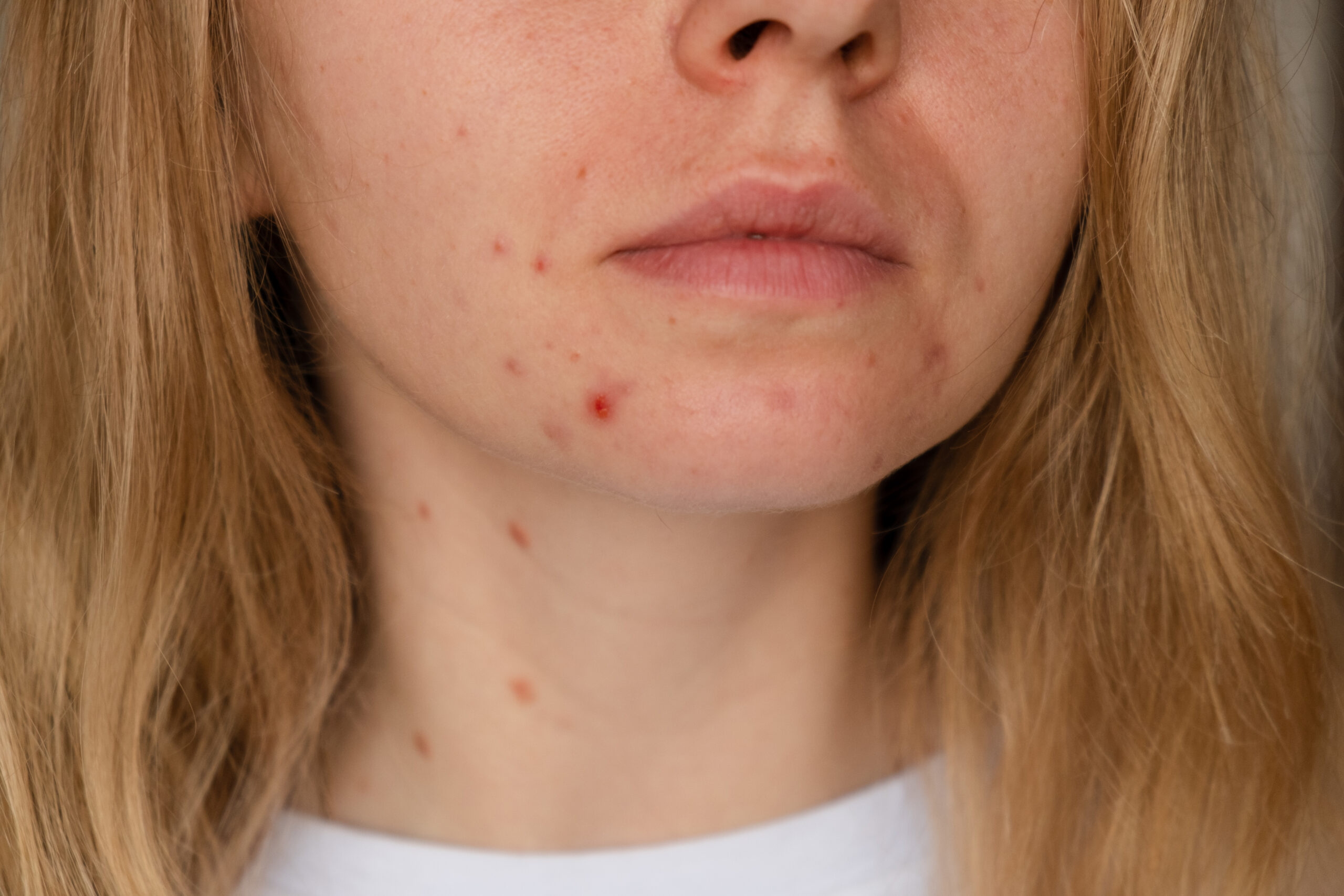
Acne affects tens of millions of people in the United States each year, making it one of the most common skin conditions in the country. While many cases are mild and may be controlled with an over-the-counter regimen, some patients require prescription treatment due to the risk of scarring. Acne commonly presents with a combination of inflamed pimples, whiteheads, blackheads, and cysts. Caused by a combination of bacteria, excess oil production, hormonal changes, and clogged pores, it commonly affects teens but can happen at any age. Acne can appear anywhere but most frequently occurs on the face, chest, and back. To help return your skin to its naturally luminous appearance, Dr. Payne is excited to offer numerous therapy options, ranging from personalized at-home skincare systems to prescription medications, chemical peels, and laser treatments. Schedule your dermatology appointment at Flourish Dermatology and Aesthetics to get started.
Symptoms & Indicators
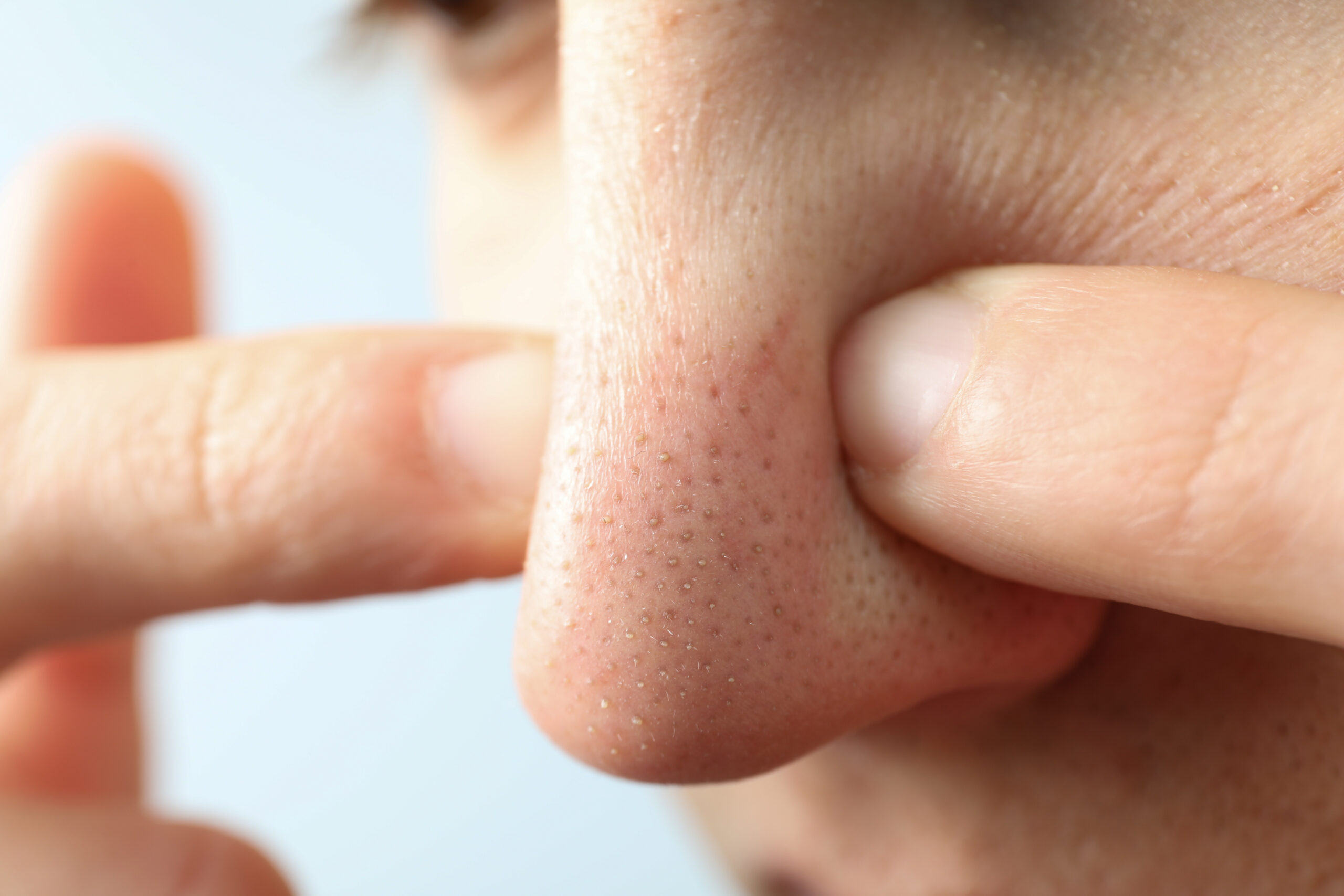
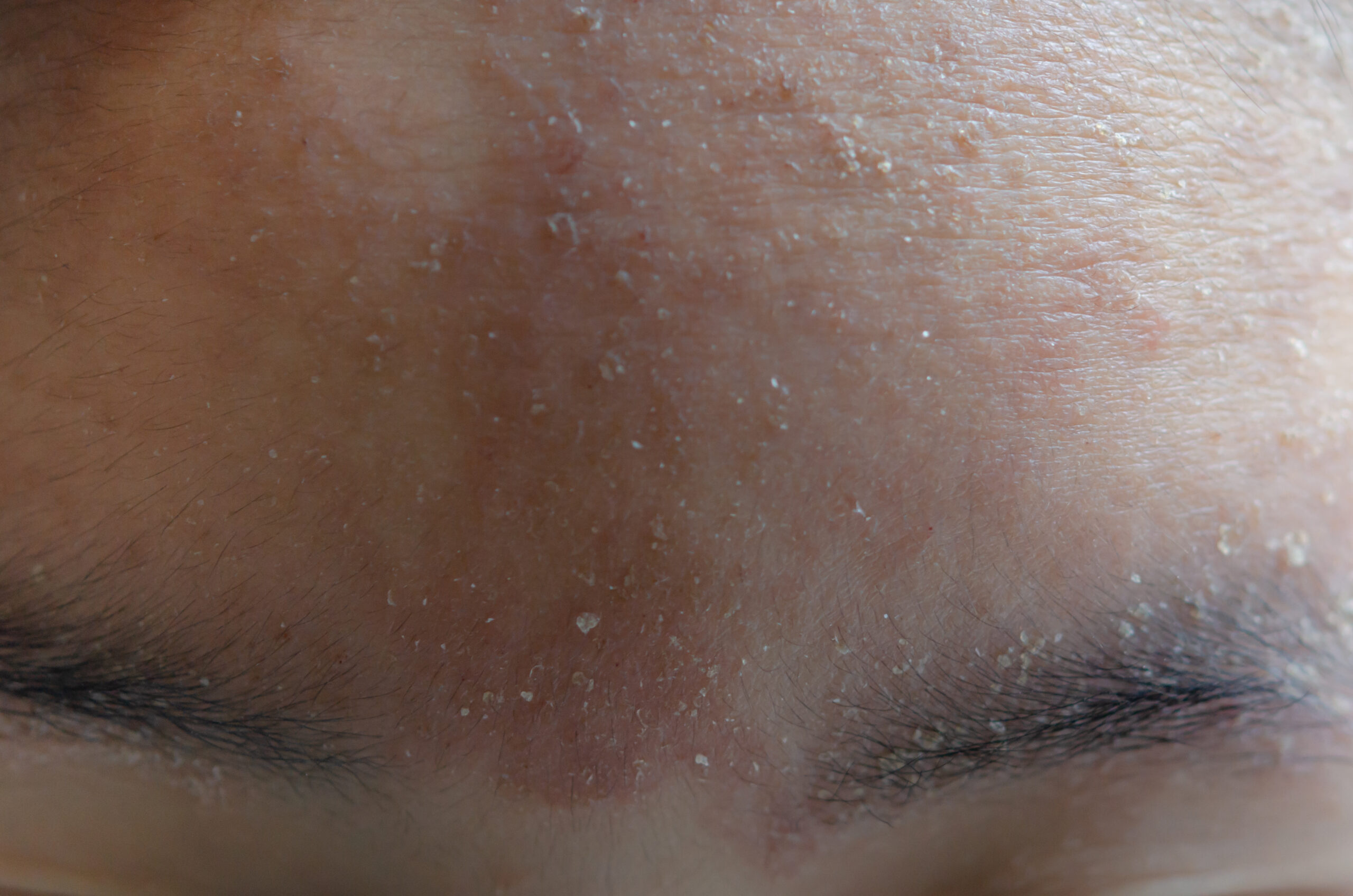
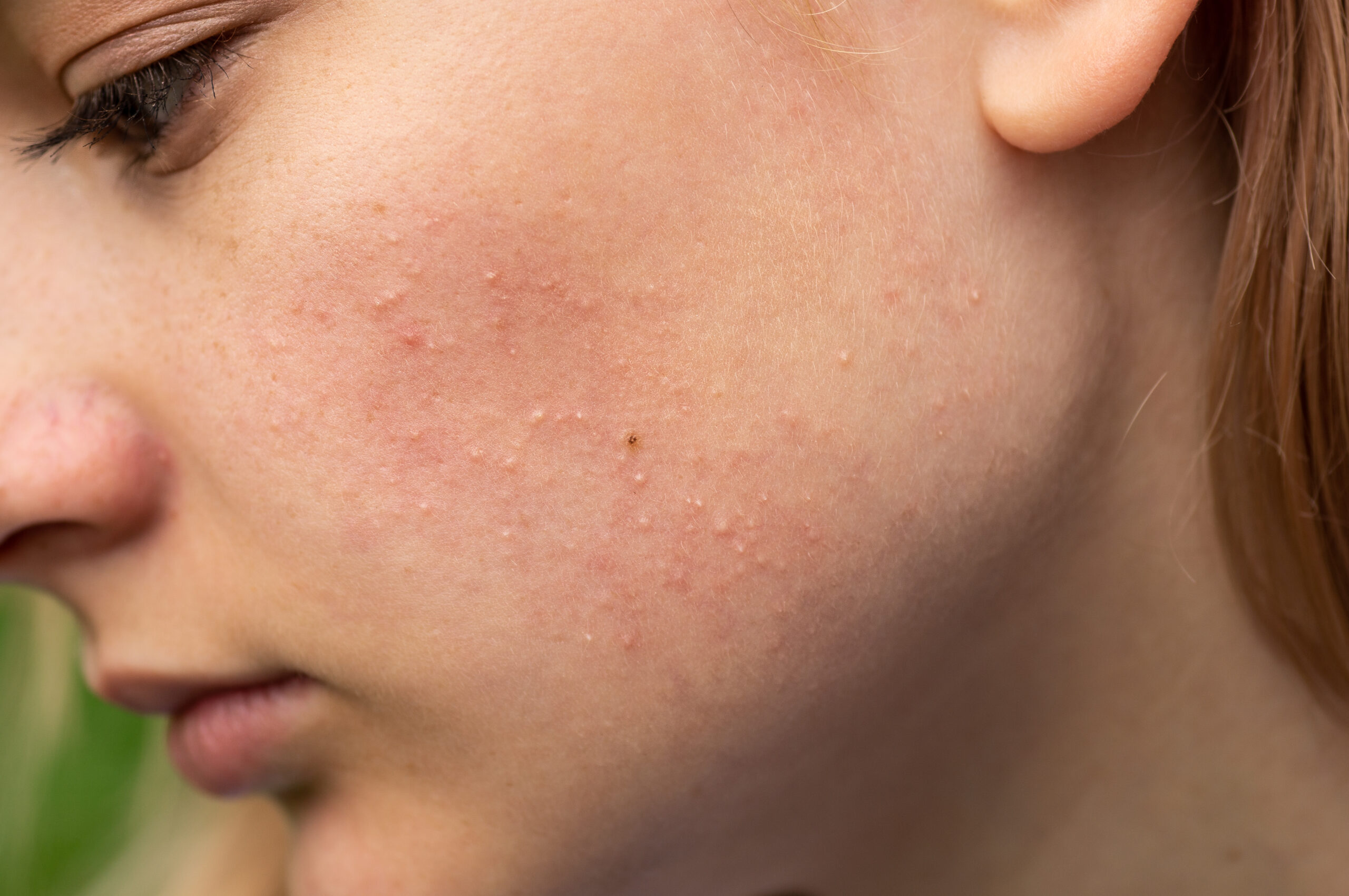
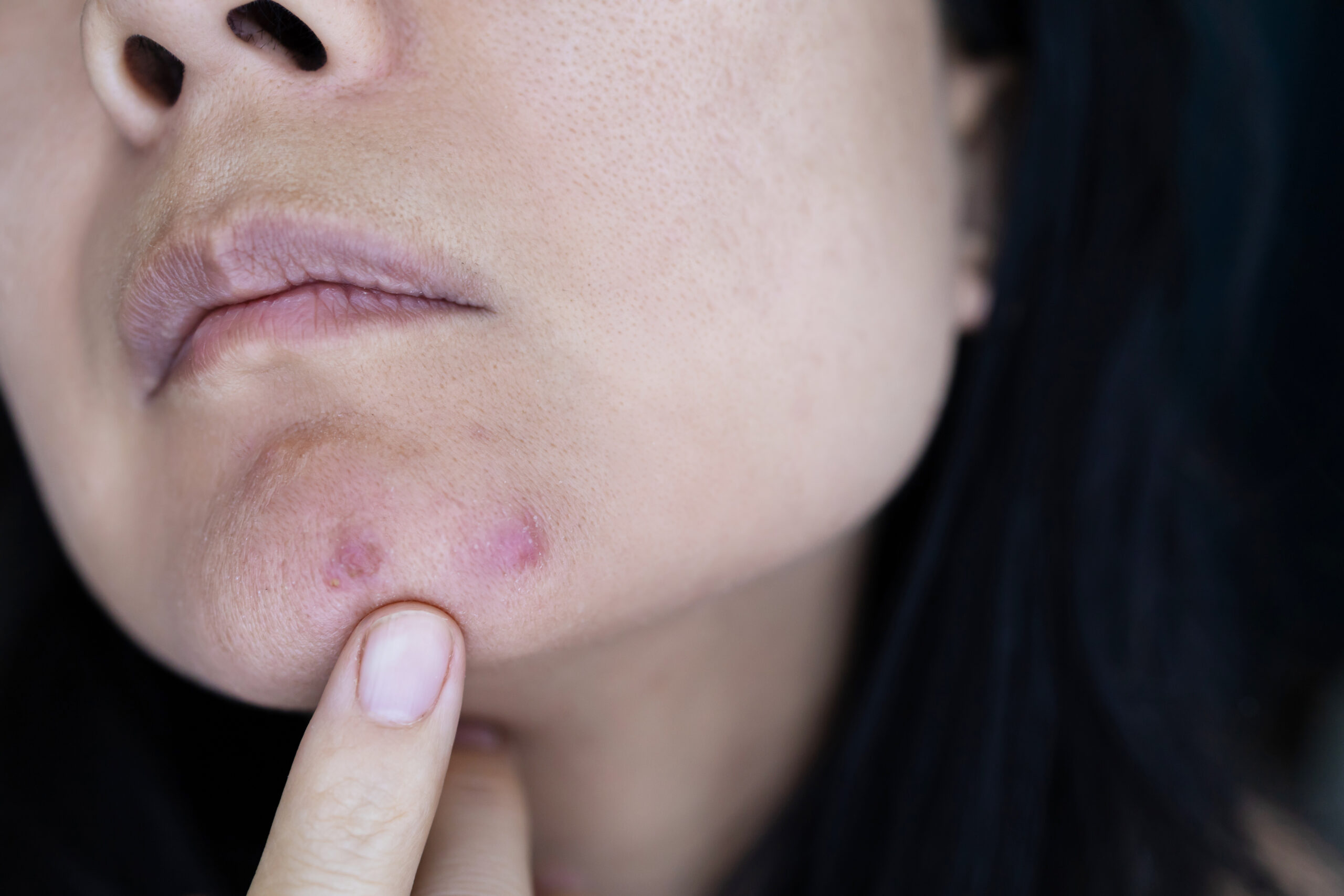
It usually happens because
How do we treat Acne
You may have already tried countless over-the-counter acne treatments, only to be disappointed with their results. Flourish Dermatology And Aesthetics offers many treatment solutions to control and maintain acne and clear up its symptoms. For milder cases of acne, prescription medications such as topical creams, lotions, and solutions that contain salicylic acid, benzoyl peroxide, sulfur, and retinoids can be helpful. There are also oral medications that can be effective for moderate acne, as well as isotretinoin (Accutane) for severe cases of scarring acne. In addition to topical and oral prescriptions, chemical peels and laser therapies have also proven effective for the treatment of acne. Not only can laser therapy help deeply clean and kill dead skin cells beneath the dermal layer, but it can also decrease redness and other hyperpigmentation issues connected with acne and scarring. Microdermabrasion facials and chemical peels can also be a helpful addition to your acne treatment regimen. For cosmetic acne treatments including chemicals and lasers, note that multiple treatments are often recommended for maximal results.
After Treatment
You can expect fewer breakouts, less inflammation, and a lower chance of permanent scarring or dark spots. Your skin will likely feel smoother, and you may feel more confident in social and professional situations.
Schedule A Private Assessment
Frequently Asked Questions
How long before I see results?
Most people see improvement in 4–8 weeks, but deeper acne can take 3–6 months.
Do I need to change my diet?
Not always, but reducing pro-inflammatory foods, including high sugar, dairy, and red meat may help some people.
Can acne come back after treatment?
Yes, especially if hormones or genetics are involved, so maintenance is often needed.
Is it safe to use makeup?
Yes, however, make sure to choose non-comedogenic (non pore-clogging) products.
When should I see a dermatologist?
If over-the-counter treatments fail after 6-8 weeks of consistent use, or if you have painful cysts, prolonged hyperpigmentation, or scarring.
Related Articles



Get In Touch
Have questions? Or want to speak with an expert first?