Rosacea
What is Rosacea
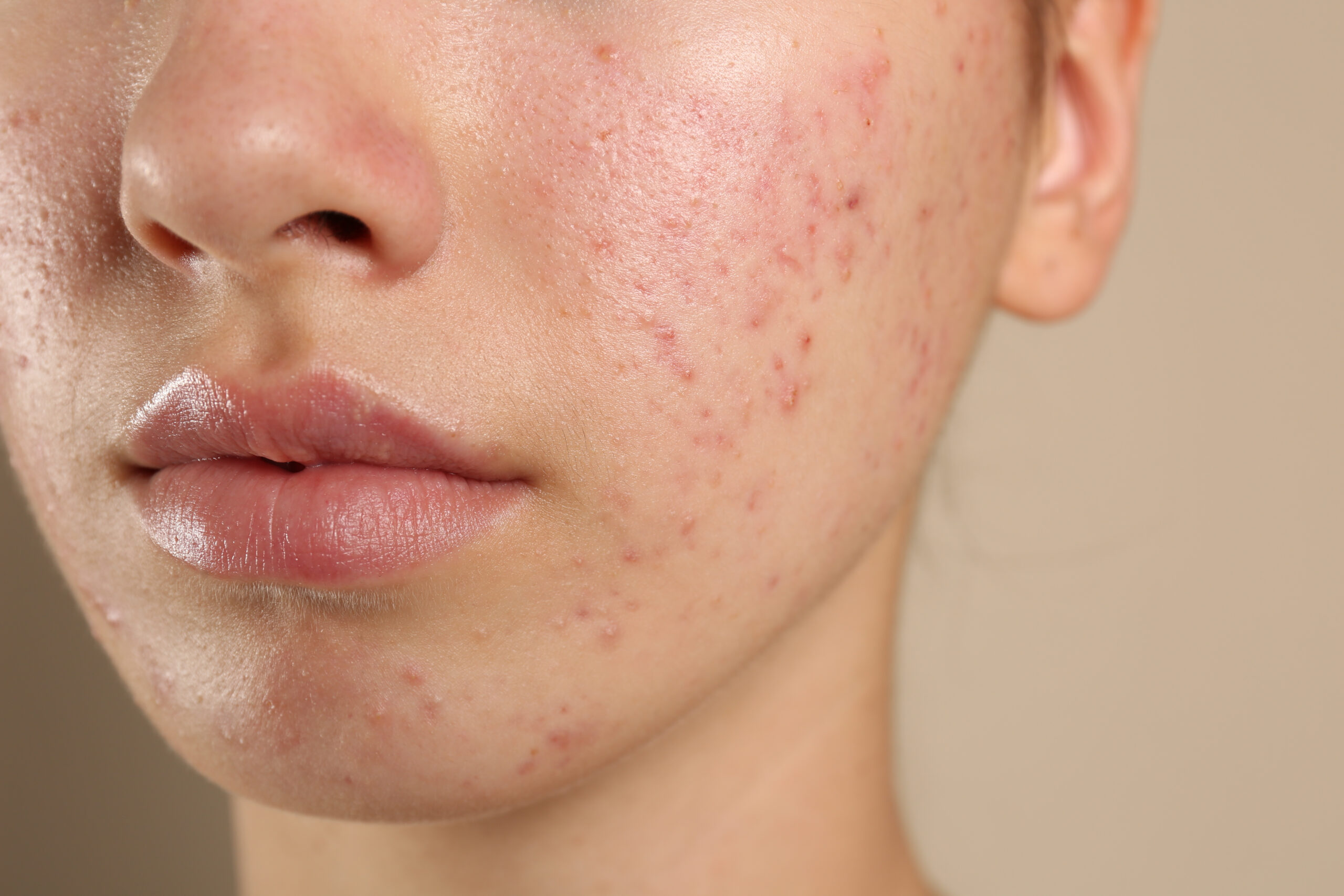
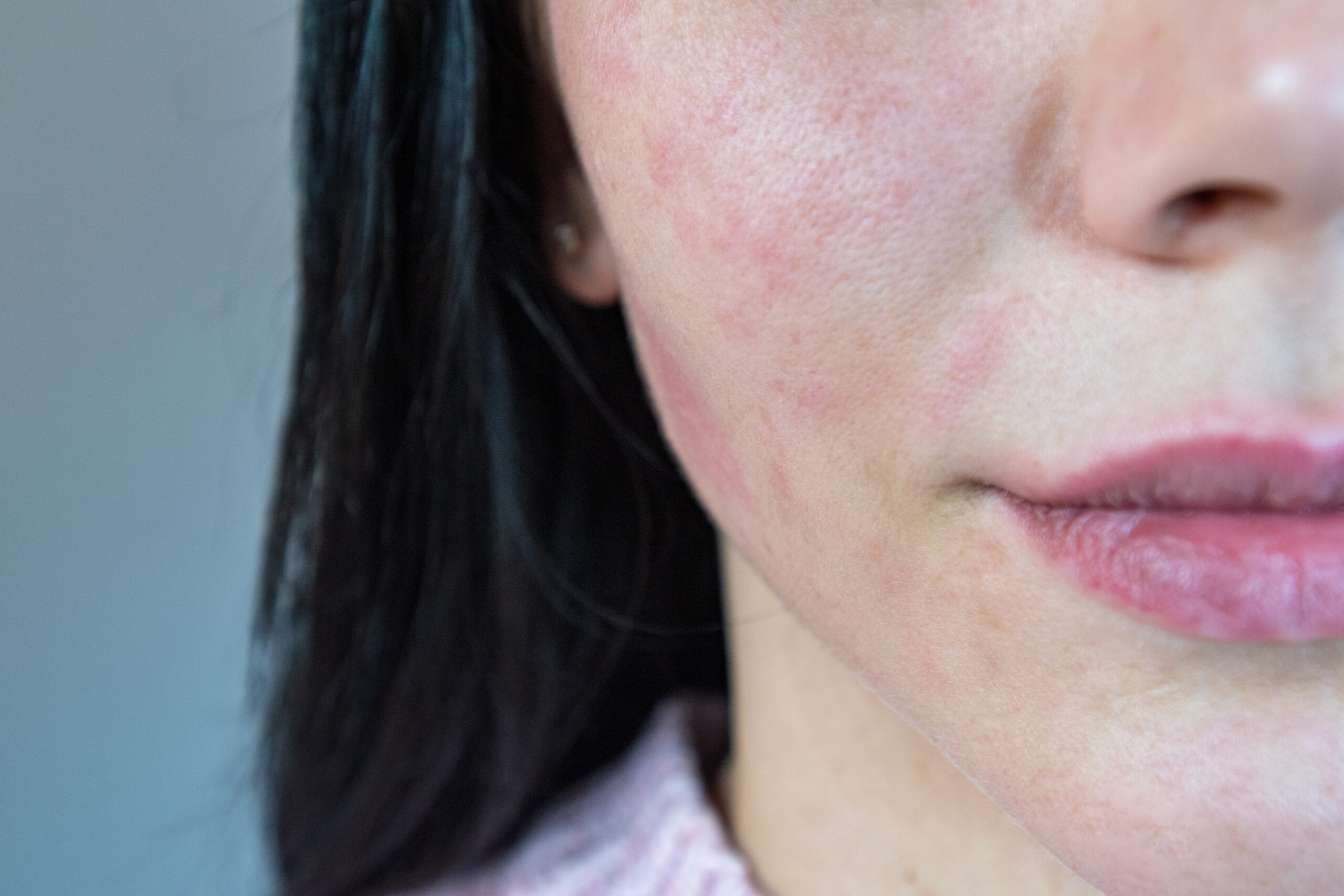
Rosacea is thought to occur due to a combination of environmental and genetic factors. Patients of European descent have a greater tendency to develop rosacea, but rosacea can be seen in all ethnic backgrounds and skin tones. It classically presents with red or inflamed skin, sometimes with associated papules and pustules, most often around the nose and cheeks.
What Causes Rosacea
In rosacea, there is inflammation in the skin and enlarged/prominent blood vessels. Many things can trigger rosacea flares because they cause the superficial blood vessels in the skin to dilate, which causes more inflammation. Aggravating factors may include spicy foods, alcohol, hot drinks, sun exposure, extreme temperatures, hot showers and/or baths, anxiety, anger, embarrassment, overexertion, and specific drugs.
Rosacea is often confused with other skin conditions, but it can be treated and managed effectively if diagnosed properly. Flourish Dermatology And Aesthetics in New Orleans, LA offers numerous advanced solutions, including laser treatments, to lighten the skin and decrease the signs of this chronic condition. Rosacea can occur in every population, but it’s most common in patients with fair skin types. There is no true cure for rosacea, but it can be well managed with the right treatment regimen. If left untreated, it can worsen over the years, causing symptoms to persist and flare up chronically. Contact our practice to set up your skin assessment with Dr. Payne so we can begin building a customized treatment plan to help keep your symptoms at a minimum.
Symptoms & Indicators
It usually happens because
How do we treat Rosacea
Though rosacea has no known cure, there are many kinds of treatments to help manage the condition. One of the more common approaches involves antibiotics, which can be given in pill form or as a topical cream, lotion, or gel. While pills tend to be more effective in providing rapid results, they can also cause side effects and concern for antibiotic resistance with long-term use. If antibiotics are not effective, acne medications, such as isotretinoin, have proven to work for many patients. Surgery might be needed in circumstances where the symptoms become permanent, such as enlarged cystic lesions that won’t subside with other treatments. Laser surgery or electrosurgery may be effective in minimizing the appearance of blood vessels and background redness on the cheeks, nose, forehead, and chin.
After Treatment
Treatment can reduce redness, flushing, and bumps while calming irritation. It may also stop rosacea from getting worse and help you feel more confident around others.
Schedule A Private Assessment
Frequently Asked Questions
Is rosacea curable?
No, but it can be well controlled.
Which triggers should I avoid?
Sun, heat, spicy foods, alcohol, and harsh skin products.
Can laser treatments help?
Yes, certain lasers can reduce redness and visible vessels.
Is rosacea acne?
No, but it can categorized as a subtype of acne, sharing similar signs and symptoms
Will it get worse without treatment?
Yes, rosacea often progresses slowly, so early and consistent treatment is best.
Get In Touch
Have questions? Or want to speak with an expert first?