Moles and Skin Tags
What is Moles and Skin Tags
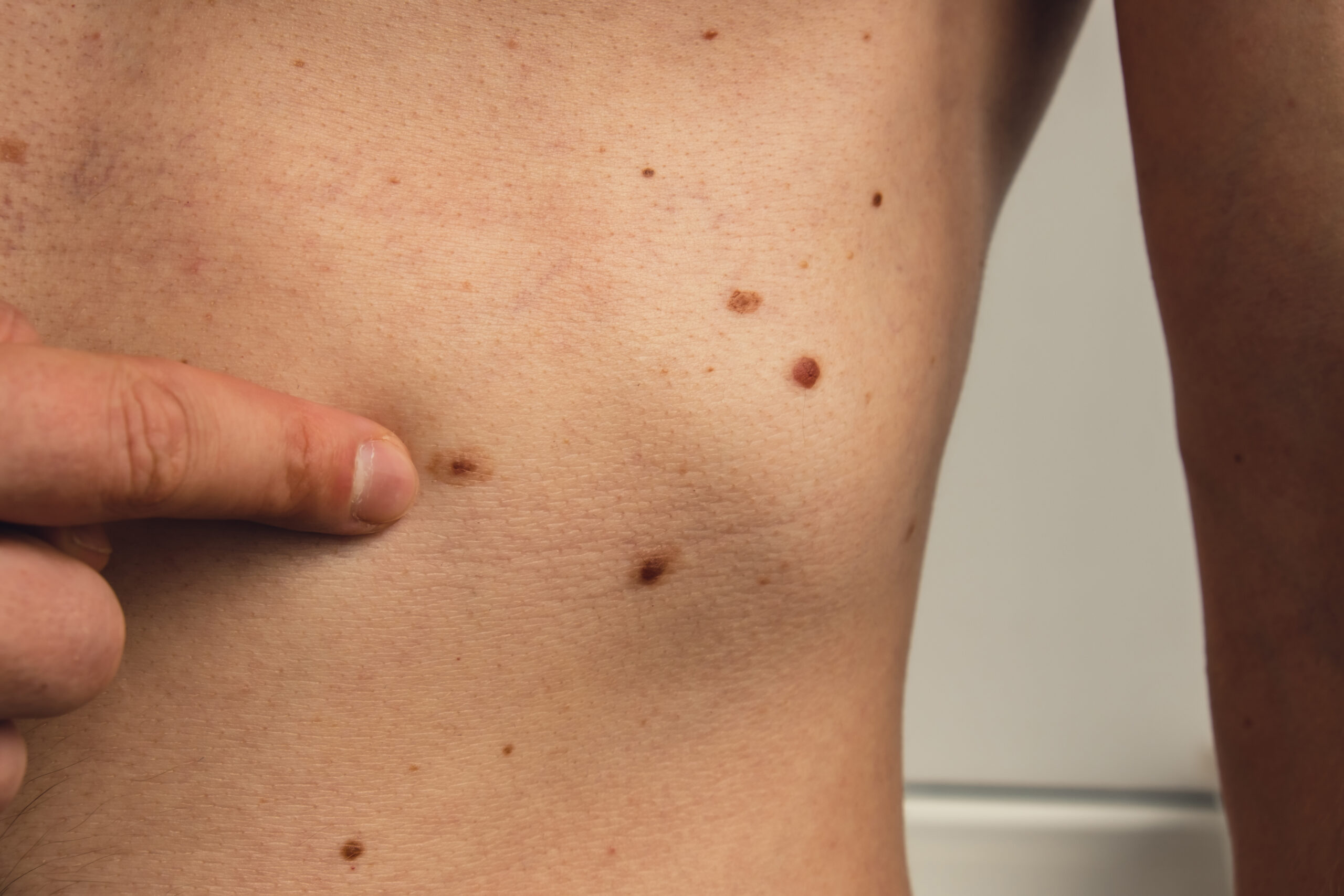
A mole is a growth on the skin that develops out of clusters of pigment-forming cells called melanocytes. Most individuals have at least one mole somewhere on their body. Moles are usually not cancerous, but because they have the potential to develop into cancer, it’s always a good idea to have new or changing moles examined by a dermatologist. Dr. Payne of Flourish Dermatology And Aesthetics provides routine mole checks for patients in the Greater New Orleans, LA area. During mole checks, she examines, measures, and documents the size, shape, and growth of moles on the body to ensure they are not changing, concerning, or cancerous. If you have moles and are uncertain as to whether it looks “normal” or has changed, or if a mole has become bothersome, then it is necessary to inform your dermatologist — especially when a mole begins to change in shape or size or starts to bleed or itch.
Symptoms & Indicators
It usually happens because
How do we treat Moles and Skin Tags
If a mole is displaying warning signs of being precancerous or is causing irritation or cosmetic issues, Dr. Payne may suggest having it removed. In these situations, Dr. Payne may need to remove the mole(s). In surgical excision, the area around the mole will be locally numbed, and a scalpel or similar device is utilized to remove the mole and some surrounding skin cells. The wound will then be closed with sutures. At times, if the mole is flush with the skin, a surgical shaving method can be used. In this procedure, the area is locally numbed, and a small blade is used to cut all around and under the mole. Stitches are not required for this method.
Larger skin tags are often removed with surgical excision, too. However, they can also be burned off using laser treatments or frozen off with liquid nitrogen. New skin tags may form in the future, which is why some patients schedule regular skin tag treatments to keep their skin clear.
After Treatment
Removing them can improve your comfort and appearance, especially if they catch on clothing or jewelry. It also lets suspicious moles be checked for cancer, which can give you peace of mind.
Schedule A Private Assessment
Frequently Asked Questions
Are moles dangerous?
Most are harmless, but changing moles should be checked.
Can skin tags become cancer?
No, skin tags are benign.
How are they removed?
Often by shaving, freezing, or cutting after numbing.
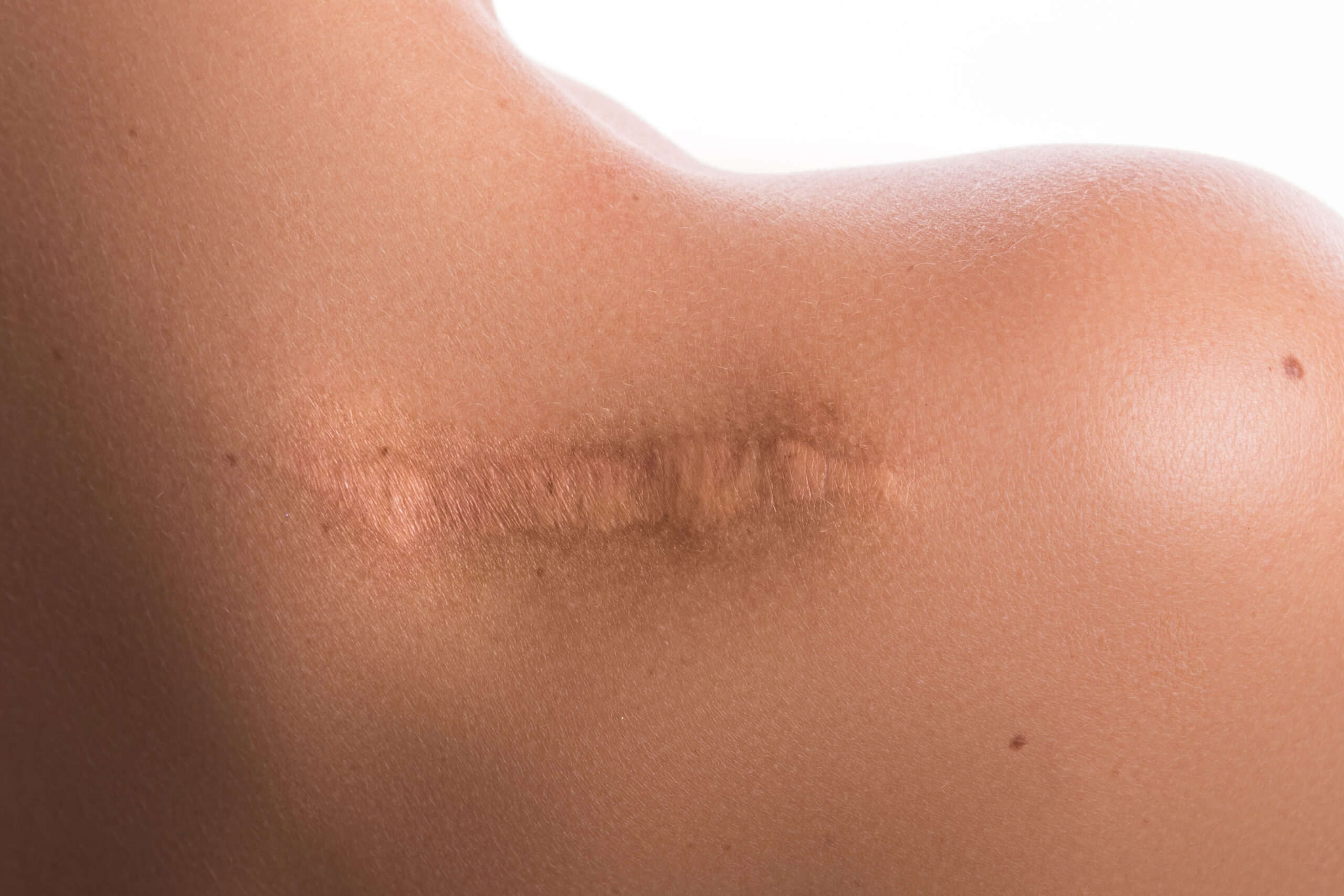
Will removal leave a scar?
There may be a small , dark spot, but when treated properly, it will fade over time
Should I remove them?
Only if they bother you, you would like them removed cosmetically, or they are changing in size, shape, or color
Get In Touch
Have questions? Or want to speak with an expert first?