Melasma
What is Melasma
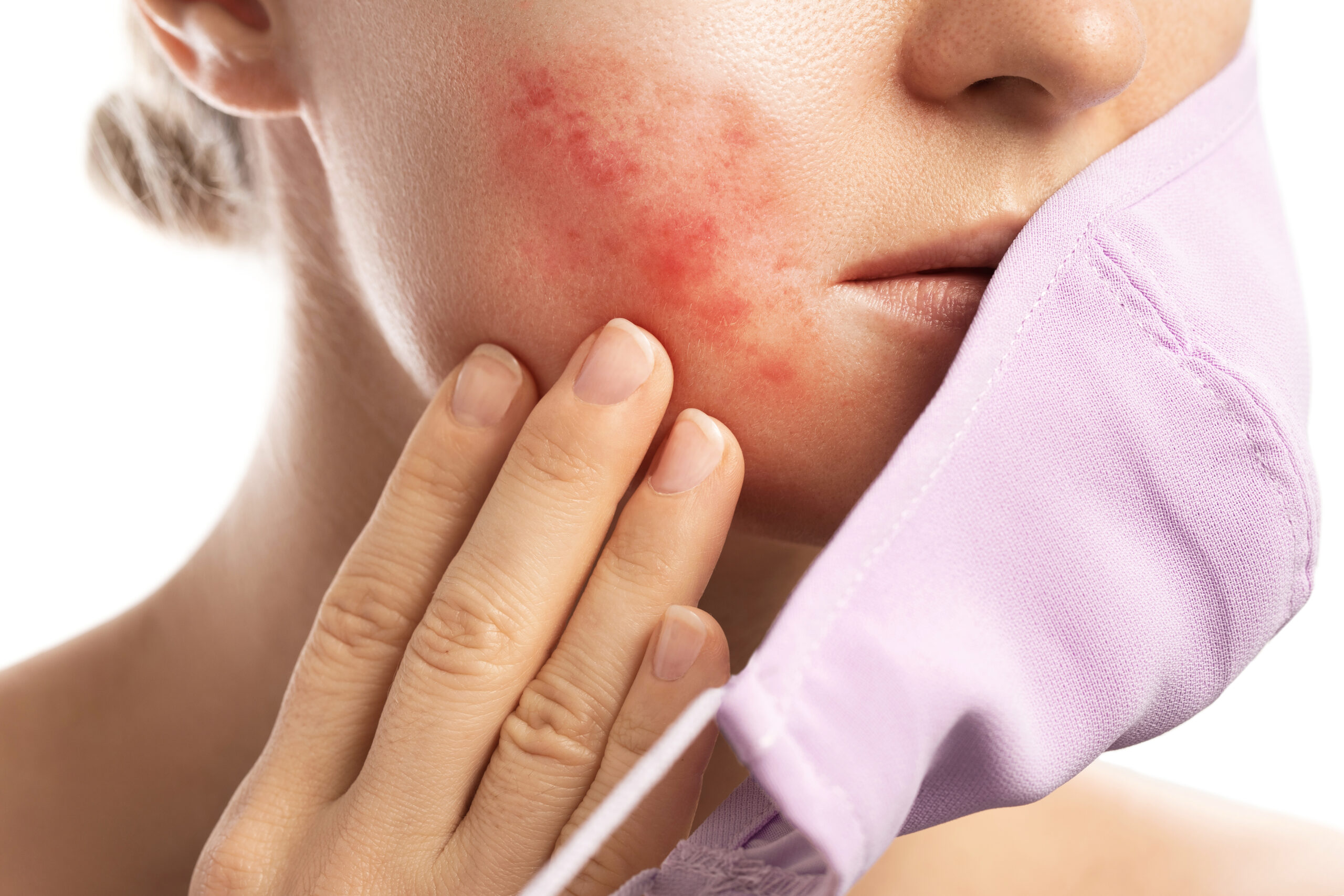
Melasma, also called chloasma, is a skin condition that causes irregular dark patches of skin to develop around the face, neck, or chest. These tan or brown patches generally occur symmetrically on the cheeks, nose, forehead, or upper lip. The classic distribution pattern and appearance of melasma set it apart from other conditions that cause dark patches on the skin.
Melasma is quite common and occurs more frequently in females, though men may be affected as well. It can be caused by a variety of triggers, including sun exposure, hormonal changes, such as with pregnancy and menopause, as well as certain medications. Dr. Payne wants all skin colors and tones to flourish, which is why she’s glad to treat melasma for individuals in the Greater New Orleans, LA area. Contact Flourish Dermatology And Aesthetics to learn more.
The specific cause of melasma remains unknown. The current theory is that dark patches of melasma are caused by numerous factors, including hormonal fluctuations, family history of melasma, darker skin tones, along with other medications that make the skin more sensitive to discoloration following exposure to ultraviolet (UV) light.
Uncontrolled sunlight exposure is widely known as one of the main causes of melasma, especially in individuals with a hereditary predisposition to the condition. Studies have revealed that melasma tends to worsen in the summer months when sunlight is the most intense. In the winter, the hyperpigmented patches are typically milder and less visible.
Symptoms & Indicators
It usually happens because
How do we treat Melasma
There are several options when it comes to treating melasma, including topical agents to lighten the darker patches of skin. Additional options involve cosmetic procedures, such as chemical peels, lasers, or microneedling, all of which can be used to treat damaged skin and even out skin tone, all while rejuvenating your overall appearance. Multiple treatments are generally recommended for maximal results depending on the severity of your melasma. Whichever treatments you select, your results should be long-lasting if you are consistent in taking care of your skin with daily use of sunscreen as well as regular maintenance of cosmetic treatments when you need a touch-up.
After Treatment
Treatment can lighten the patches, even out your facial tone, and prevent further darkening when you also protect yourself from the sun. You’ll likely feel less self-conscious about your skin.
Schedule A Private Assessment
Frequently Asked Questions
Is melasma permanent?
It can fade and disappear over time, but it often needs ongoing management to maintain results
Does sunscreen really help?
Yes, daily SPF 30+ is one of the most important treatments and required to see results.
Can lasers cure melasma?
Some specific lasers can be helpful, but other lasers can worsen melasma it if not used carefully.
Is it linked to pregnancy?
Yes, some people notice melasma developing or worsening during pregnancy due to hormonal changes.
Will it come back?
Yes, melasma can return with sun exposure or hormonal changes.
Get In Touch
Have questions? Or want to speak with an expert first?