Alopecia
What is Alopecia
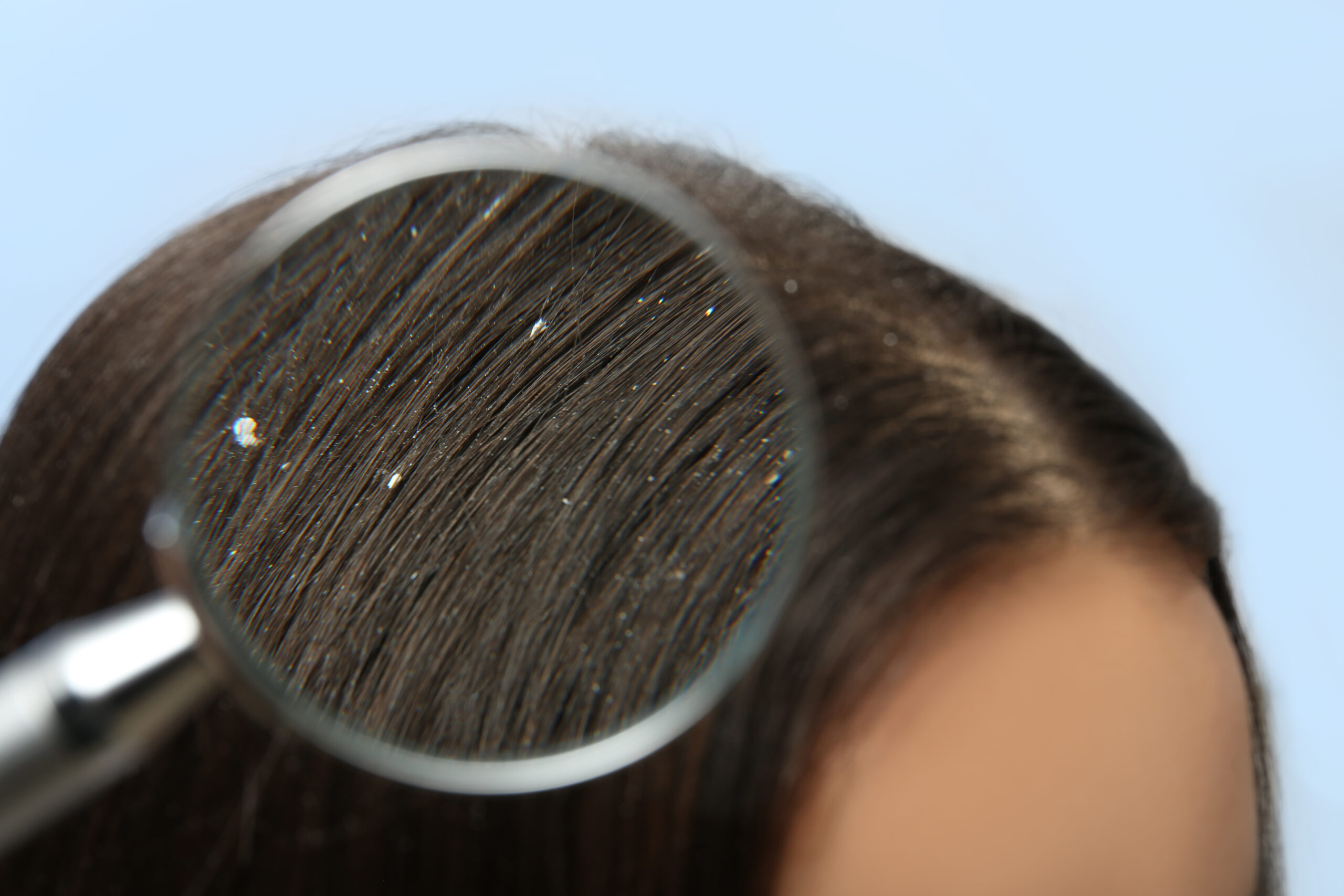
Alopecia is a general term for hair loss. It can occur due to a variety of factors, including an overactive immune system, inflammation, hormonal changes, as well as hair care practices and styles. It can occur at any age in both women and men. Take a look at some of the most common types of alopecia.
Types of Alopecia
- Alopecia Areata: occurs when your own immune system attacks your hair follicles, causing rapid reduction of hair, often in circular patches scattered throughout the scalp
- Androgenetic Alopecia is a genetic hair loss that results from being born with hair follicles that are highly responsive to dihydrotestosterone (DHT), a derivative of the testosterone hormone. It can occur in both men and women and tends to progress with age.
- Central Centrifugal Cicatricial Alopecia: a type of hair loss due to inflammation and potential scarring of the scalp, usually starting at the crown and spreading outwards over time. Symptoms include hair breakage, intense itching, burning, or tenderness of the scalp with decreased hair growth. Sometimes, can be a genetic component as well, though this is not always the case.
- Lichen Planopilaris: an inflammatory condition that causes scarring and patches of hair loss scattered throughout the scalp. It is often uncomfortable, itchy or painful.
- Telogen Effluvium: a typically a reversible condition in which hair falls out/sheds suddenly after a stressful experience – physically, hormonally, emotionally, mentally, or nutritionally.
- Traction Alopecia: a type of hair loss that results from continuous pulling force on the hair roots, often caused by tight hairstyles over years. It commonly occurs along the front edges of the scalp and is often present as a result of years of tight hairstyles from childhood through your adult years.
Alopecia is extremely prevalent and affects many people at some point in their life, which is the reason why Dr. Payne offers a number of the most innovative hair restoration solutions to New Orleans, LA clients. These treatment options allow patients to realize their hair goals and regain a more confident life after continued treatment. Schedule a consultation at Flourish Dermatology And Aesthetics if you suspect you have alopecia or another other hair condition, as early intervention is key to alopecia treatment success.
Symptoms & Indicators
It usually happens because
How do we treat Alopecia
Dr. Payne may offer different alopecia solutions based on the type, degree, and severity of hair loss you’ve experienced. For mild to moderate alopecia cases, topical or oral medications or nutraceuticals as well as nonsurgical treatments, including cortisone injections, laser treatments such as LaseMD with Kerafactor growth factors, PRP (platelet-rich plasma), and microneedling with growth factors, are available. PRP treatment uses your body’s growth factors to promote the regrowth of follicles that are damaged.
After Treatment
All treatments are aimed to slow or stop further hair loss, stimulate regrowth, and improve scalp coverage..
Schedule A Private Assessment
Frequently Asked Questions
Will my hair grow back fully?
Oftentimes, there is hair regrowth, however, each case is unique. IIt depends on the cause of the hair loss and how early we treat it before scarring becomes severe.
Is alopecia contagious?
No, it is not contagious.
Do I need blood tests?
On occasions, hair loss can be due to underlying systemic causes. In these cases, blood tests checking the thyroid, vitamins, or other potential autoimmune triggers may be recommended.
Can stress cause hair loss?
Yes, severe stress can trigger temporary shedding, known as telogen effluvium.
Are treatments lifelong?
This will depend on the type of hair loss, however, yes, in many instances, patients may require ongoing treatment to maintain hair growth results.
Get In Touch
Have questions? Or want to speak with an expert first?