DPN Removal
What is DPN Removal
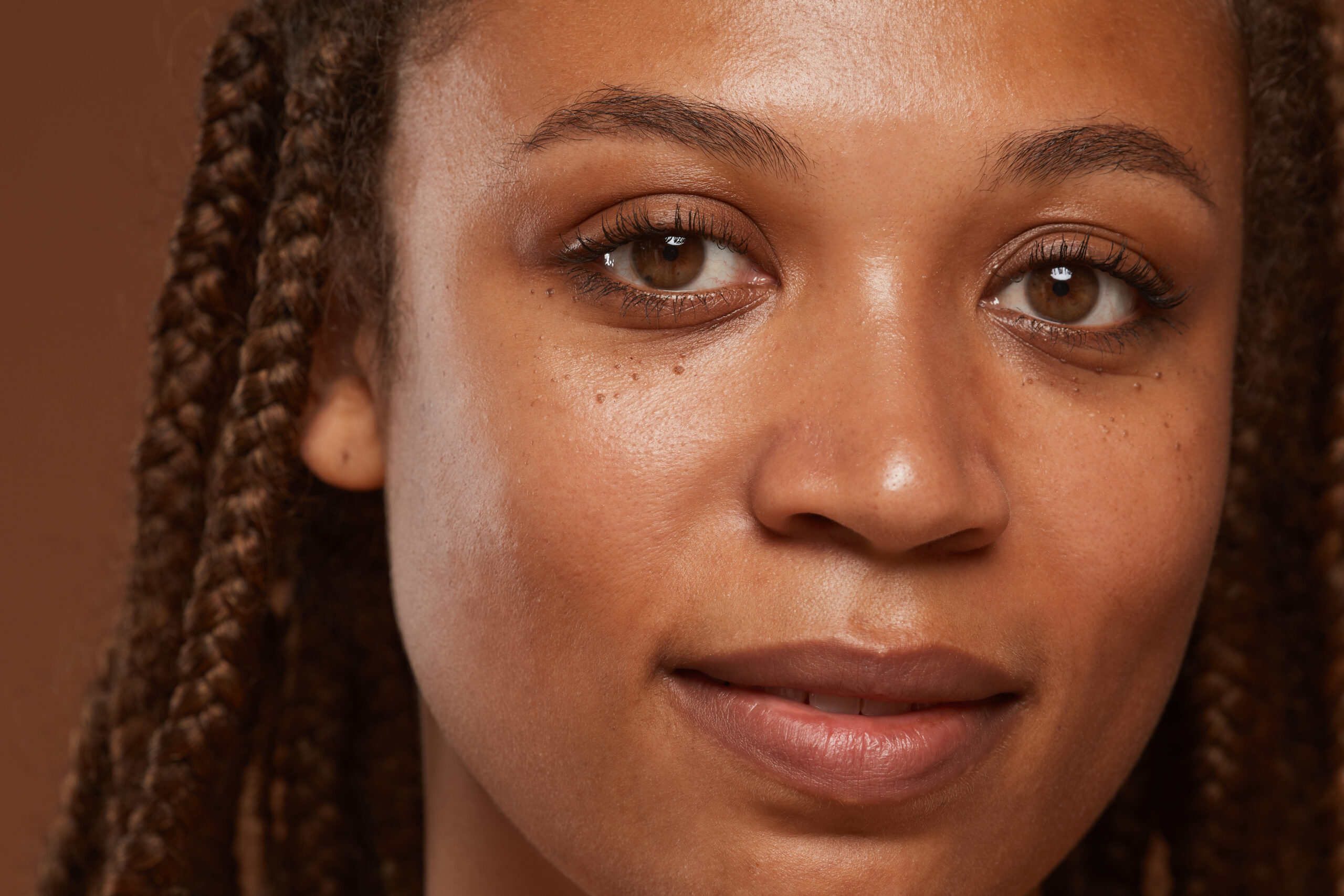
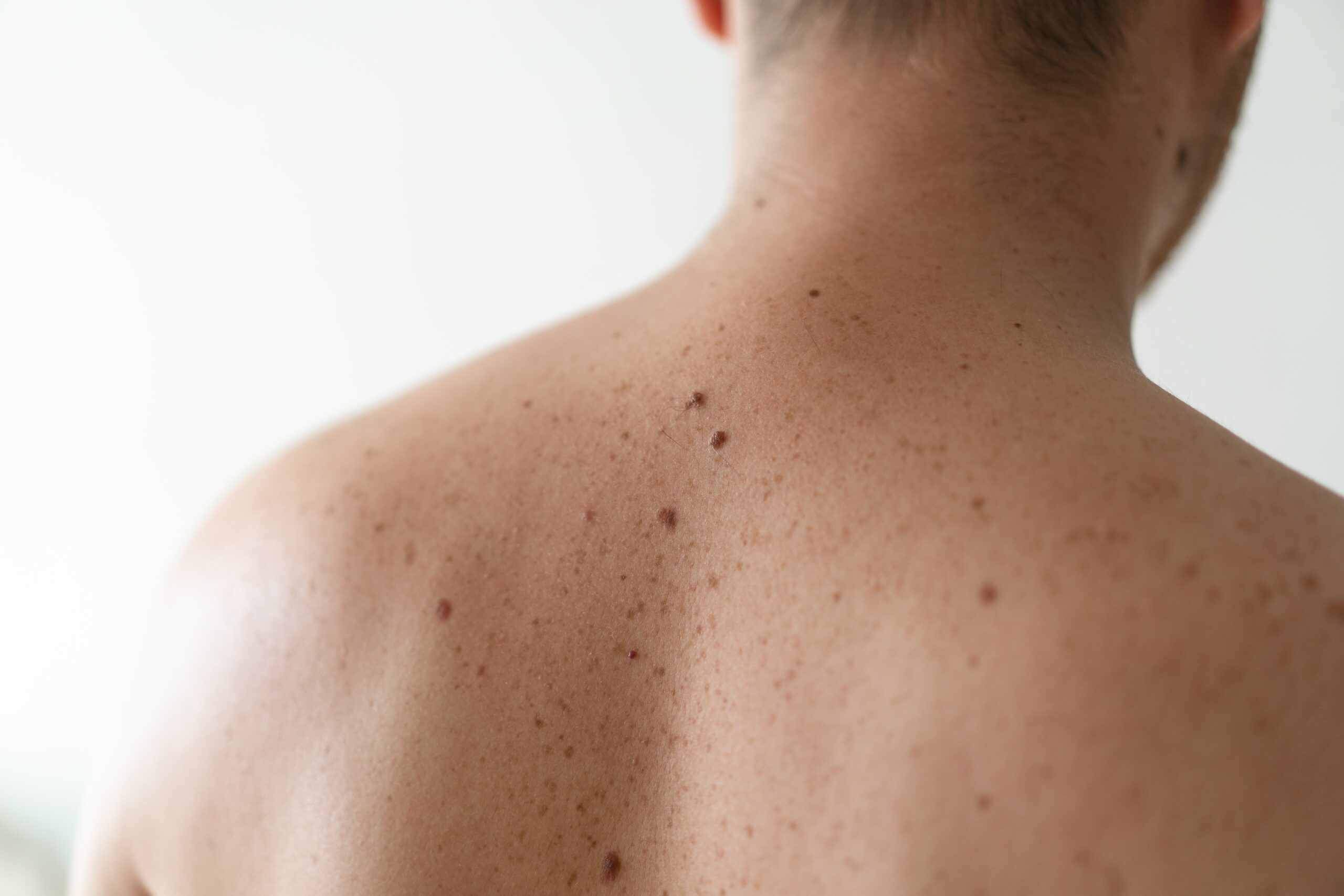
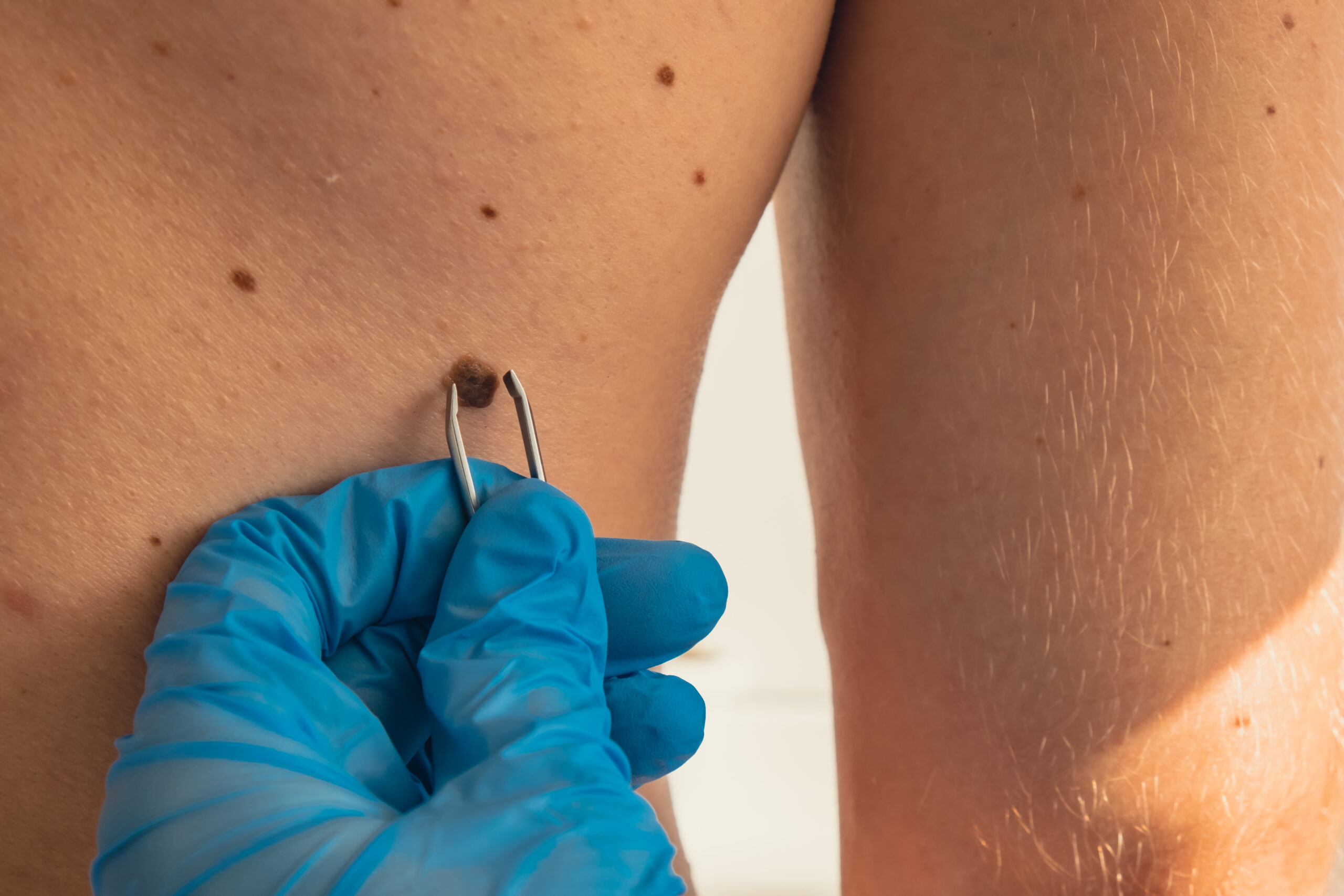
Dermatosis papulosa nigra (DPN) consists of small, benign brown or black growths that commonly develop on the face and neck, particularly in individuals with darker skin tones. At Flourish, DPNs can be treated using precise in-office techniques designed to remove or flatten the growths while carefully considering the risk of post-inflammatory hyperpigmentation and scarring. Multiple growths can often be treated during the same visit, depending on their number and location. Because new DPNs may develop over time, occasional maintenance treatments may be desired.
Treatment planning accounts for the number, location, and appearance of growths as well as the risk of pigment change or scarring. New DPNs may develop over time.
Symptoms & Indicators
It usually happens because
How do we treat DPN Removal
DPN removal treats dermatosis papulosa nigra—small benign brown or black growths that often occur on the face and neck—using a personalized in-office approach. A consultation is required to determine candidacy, treatment settings or technique, preparation, aftercare, and an appropriate treatment schedule.
After Treatment
- A personalized approach for multiple lesions
- Careful consideration of skin tone and pigmentary risk
- In-office planning for location and lesion count
Schedule A Private Assessment
Frequently Asked Questions
What is DPN?
Dermatosis papulosa nigra consists of small, benign brown or black growths that commonly appear on the face and neck.
Can multiple DPNs be treated at one visit?
Often, yes. The number treated depends on their location, appearance, and your individualized treatment plan.
Can DPN return?
New DPNs may develop over time, so some people choose occasional maintenance treatment.
Get In Touch
Have questions? Or want to speak with an expert first?