Skin Cancer Screenings
What is Skin Cancer Screenings
According to the American Academy of Dermatology, skin cancer is the most common form of cancer in the U.S., affecting nearly 20% of Americans at some point in their lifetime. The high incidence of skin cancer means regular screenings are very important, especially for individuals with a family or personal history of skin cancer. Early detection is essential to provide you with the maximum amount of treatment choices and improved results. As part of her commitment to helping patients flourish with healthy skin, Dr. Lauren Payne is pleased to offer comprehensive skin cancer exams, as well as biopsies of any concerning growths or lesions. To schedule your skin cancer exam with Dr. Payne, contact Flourish Dermatology And Aesthetics in New Orleans, LA.
Screening
Your skin cancer exam will begin with a visual check of birthmarks, moles, and abnormal growths throughout your body. Dr. Payne may create a “mole map” of existing spots so she can monitor changes and identify new lesions during future screenings. She may also talk with you about what you can look for when you’re doing self-checks at home between appointments. During your screening, she will look for signs of three common skin cancers:
- Basal Cell Carcinoma (BCC): The most common kind of cancer, BCC can develop anywhere on the skin, appearing as a pink or flesh-colored bulge about the size of a pearl. BCC must be treated as early as possible, as it has the potential to spread into the bones and nerves.
- Squamous Cell Carcinoma (SCC): This is the second most common form of skin cancer. Developing on skin that gets the most sun exposure, SCC looks like scaly spots; red, firm lumps; and/or sores that frequently reopen. These should be removed to reduce the risk of damage and disfigurement.
- Melanoma: This variety of cancer manifests as a dark spot that suddenly appears on the skin. While melanoma only accounts for a small percentage of skin cancer cases, it causes the most skin cancer deaths and should be treated right away when identified.
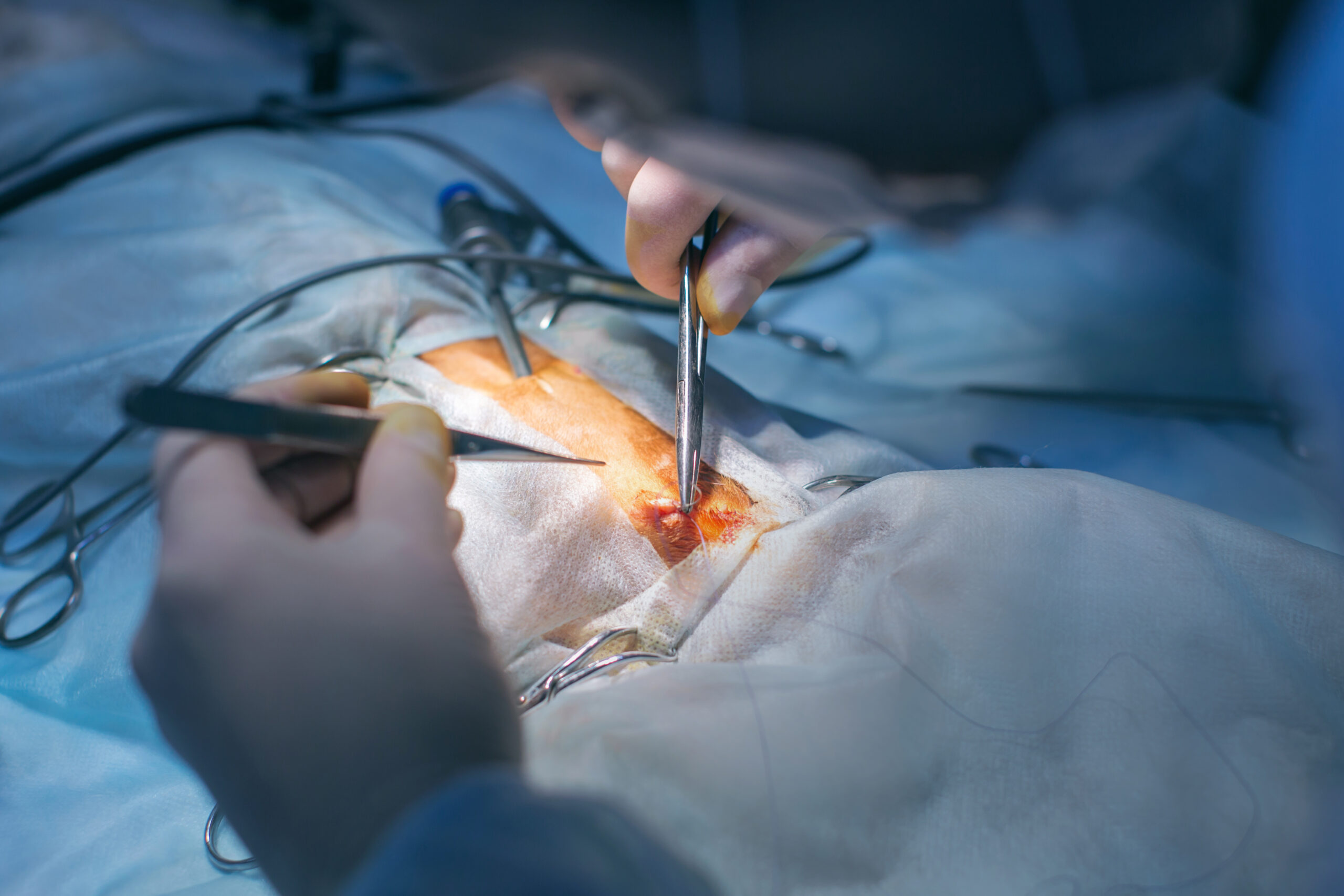
If Dr. Payne identifies any areas of concern, she may perform a biopsy by numbing the region and removing a small sample, which will be sent to a pathology lab for analysis. Our New Orleans, LA practice will follow up with your results when they’re ready.
Symptoms & Indicators
It usually happens because
After Treatment
Screening helps detect skin cancer at an early, more treatable stage. Early detection can mean smaller procedures, better outcomes, and greater peace of mind for you.
Schedule A Private Assessment
Frequently Asked Questions
How often should I get checked?
Usually once a year, or more if high risk.
Does it hurt?
No, it is a visual exam.
What if you find something?
We may biopsy it.
Can I prevent skin cancer?
Yes, use sunscreen and avoid tanning beds.
Are all spots cancer?
No, most are benign.
Get In Touch
Have questions? Or want to speak with an expert first?