Hair Restoration
What is Hair Restoration
Hair thinning and hair loss can occur for many reasons, including genetics, hormonal changes, inflammation, medical conditions, hairstyling practices, and stress. At Flourish Dermatology & Aesthetics in New Orleans, LA, Dr. Lauren C. Payne offers customized hair restoration treatments designed to support healthier hair growth, strengthen existing hair, and improve the appearance of thinning areas.
Depending on your type of hair loss, treatment plan, and goals, your hair restoration program may include Microneedling with KeraFactor® growth factors, LaseMD Ultra laser treatments with KeraFactor® growth factors, or platelet-rich plasma (PRP) therapy. These procedures can also be incorporated into a comprehensive medical hair-loss treatment plan when prescription or topical therapies are appropriate.
Because successful hair restoration starts with understanding why you are losing hair, Dr. Payne will first evaluate your scalp and pattern of hair loss before recommending the most appropriate treatment.
Ideal Candidates
Hair restoration treatments may be appropriate for women and men experiencing hair thinning, increased shedding, decreased hair density, widening of the part, or early areas of hair loss.
The ideal treatment depends on the underlying diagnosis, degree of hair loss, health of the remaining hair follicles, and your individual goals. Patients with certain inflammatory or scarring forms of hair loss may require medical treatment to control the underlying condition before or in combination with hair restoration procedures.
What to Expect
Hair restoration is a gradual process. These treatments are designed to support the function of existing hair follicles rather than produce immediate new hair growth.
Most patients benefit from a series of treatments, followed by maintenance treatments when appropriate. The recommended number and spacing of sessions will depend on whether you are receiving Microneedling + KeraFactor, LaseMD + KeraFactor, PRP, or a combination treatment plan.
Temporary scalp redness, tenderness, sensitivity, or mild swelling may occur following treatment. PRP involves injections and may result in additional temporary tenderness, pinpoint bleeding, or swelling. Microneedling and LaseMD treatments may cause temporary redness or sensitivity of the scalp.
You will receive specific aftercare instructions based on the procedure performed.
Symptoms & Indicators
It usually happens because
How do we treat Hair Restoration
Your treatment plan will be selected based on your diagnosis, degree of hair loss, and personal preferences.
Microneedling + KeraFactor® Growth Factors
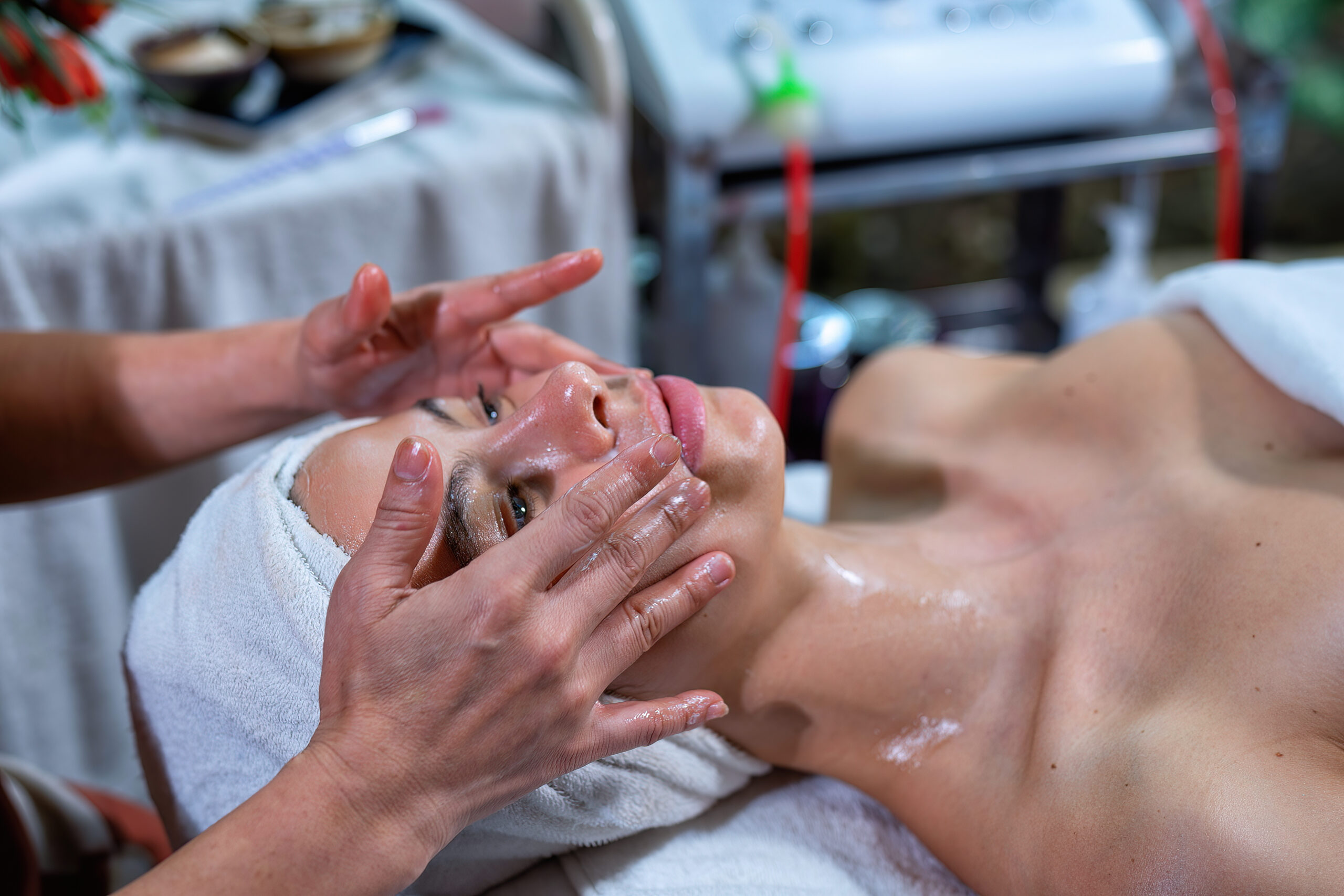
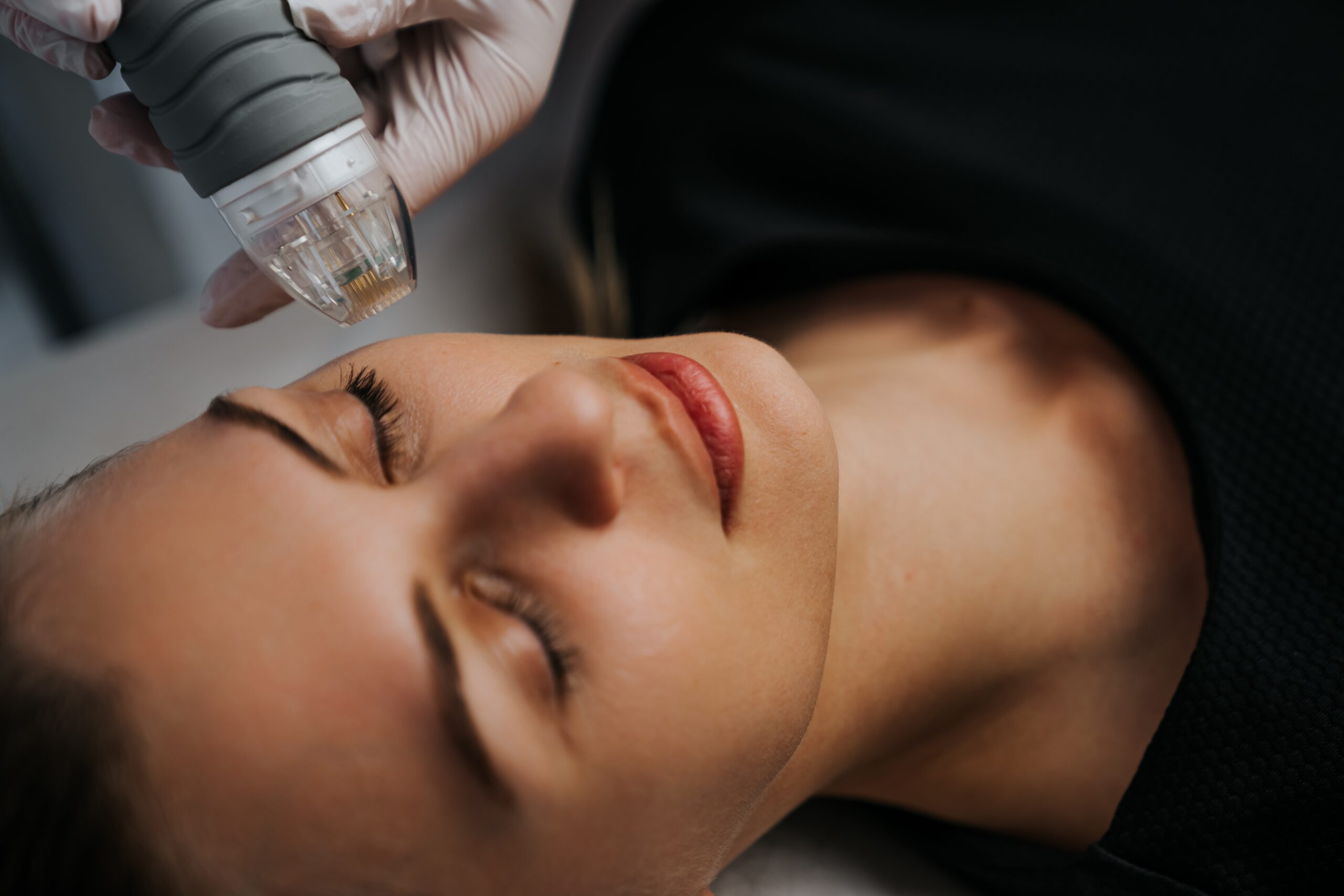
Microneedling creates controlled microchannels in the scalp while stimulating the skin’s natural repair response. KeraFactor® is applied to the scalp during treatment, allowing its specialized growth-factor formulation to reach the treatment area more effectively.
This combination is designed to support the scalp environment and encourage the appearance of healthier, thicker, fuller-looking hair. It is a good option for patients who want a minimally invasive treatment without injections.
LaseMD Ultra + KeraFactor® Growth Factors
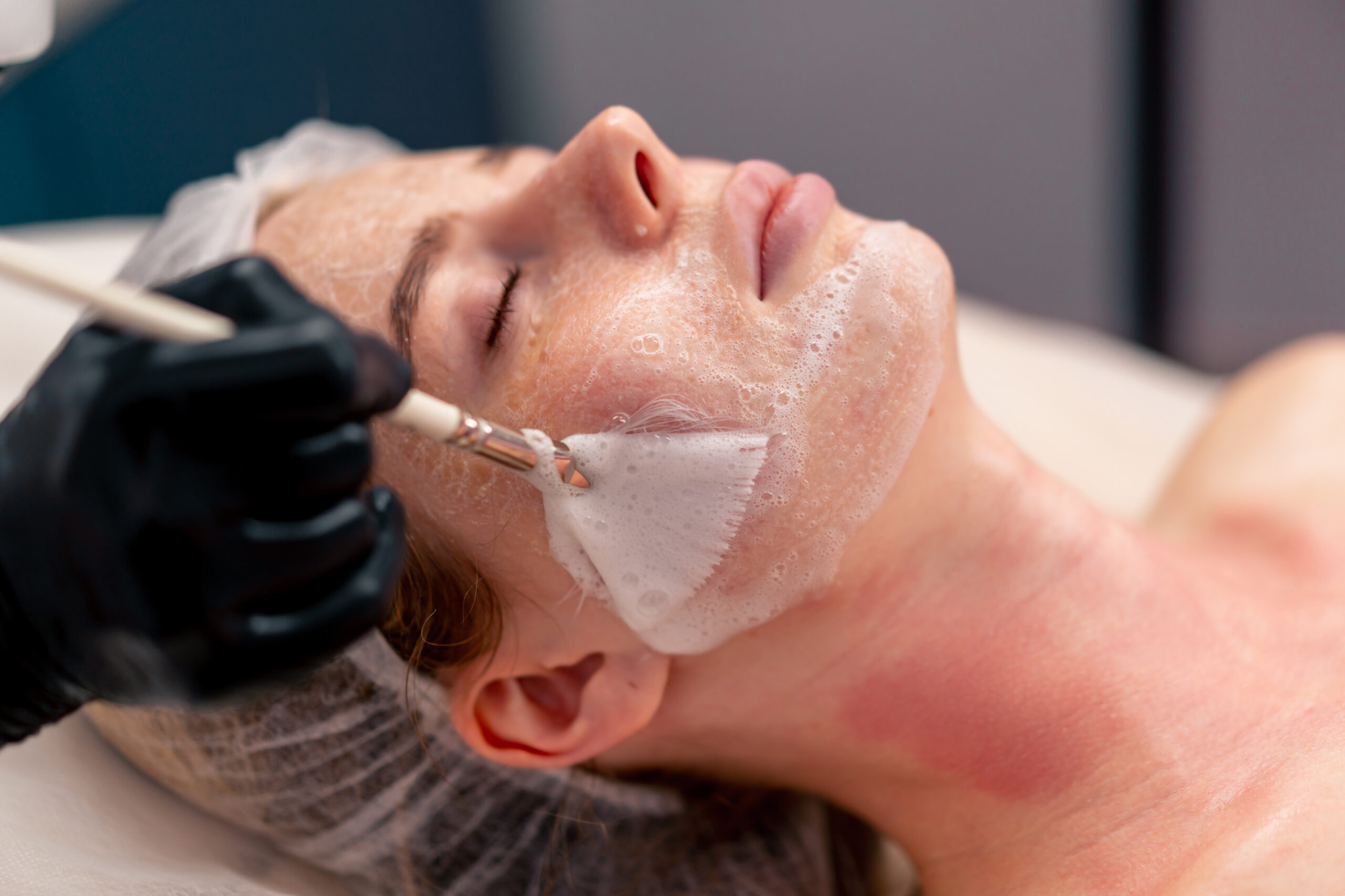
LaseMD Ultra uses a 1927 nm thulium laser to create precise microscopic treatment zones in the scalp. KeraFactor® is then applied immediately following treatment, taking advantage of the temporary microchannels created by the laser to enhance topical delivery.
LaseMD + KeraFactor offers a more technology-driven approach to scalp treatment and may be recommended for patients who want to combine laser stimulation with enhanced delivery of growth factors to support healthier-looking hair and scalp.
Platelet-Rich Plasma (PRP) Hair Restoration
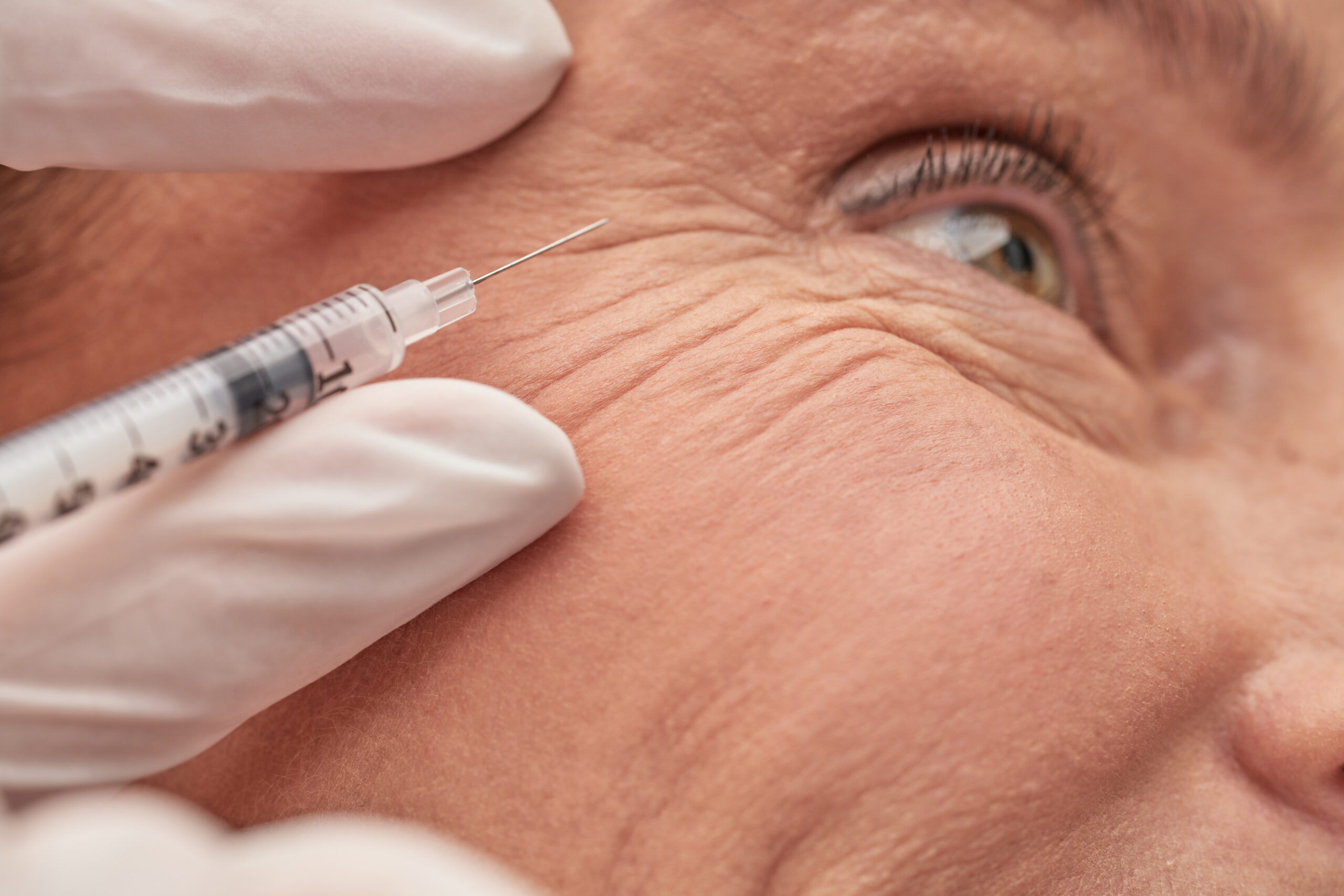
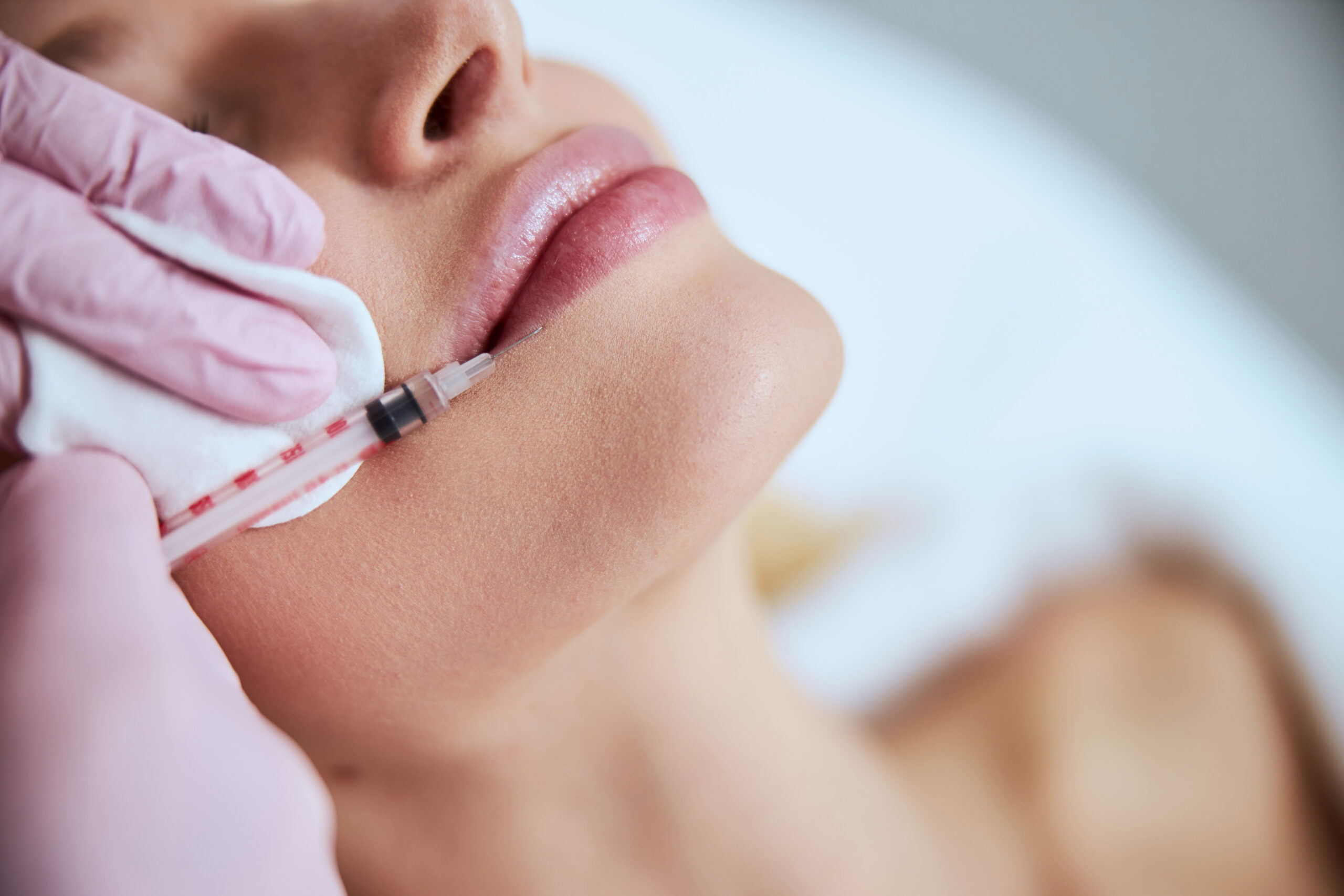
PRP uses concentrated platelets obtained from a small sample of your own blood. After the blood is processed, the platelet-rich plasma is injected into areas of hair thinning.
Platelets contain naturally occurring growth factors that can help support follicular activity and may improve hair thickness, density, and growth in appropriately selected patients. Because PRP is derived from your own blood, allergic reactions are uncommon.
After Treatment
Depending on the cause of your hair loss and the treatment selected, hair restoration treatments may help:
* Reduce the appearance of thinning
* Improve hair density and coverage
* Support thicker, stronger existing hairs
* Promote a healthier scalp environment
* Support the activity of viable hair follicles
* Complement topical or prescription hair-loss treatments
* Improve overall hair and scalp appearance
Hair restoration results vary, and maintaining results often requires ongoing management of the underlying cause of hair loss.
Schedule A Private Assessment
Frequently Asked Questions
Which hair restoration treatment is right for me?
The best treatment depends on the type and severity of your hair loss, scalp health, medical history, and treatment goals. During your consultation, Dr. Payne will evaluate your hair and scalp and determine whether Microneedling + KeraFactor, LaseMD + KeraFactor, PRP, medical therapy, or a combination approach is most appropriate.
How soon will I see hair growth?
Hair grows slowly, so results are not immediate. Some patients may notice decreased shedding or changes in hair quality first, while improvements in thickness and density generally develop over several months. A treatment series is usually recommended before assessing your full response.
How many treatments will I need?
The number of treatments varies depending on the procedure and your degree of hair loss. Most patients begin with a series of treatments followed by periodic maintenance. Your recommended schedule will be discussed during your consultation.
What's the difference between Microneedling + KeraFactor and LaseMD + KeraFactor?
Both treatments create microscopic channels in the scalp and allow KeraFactor growth factors to be applied directly to the treatment area. Microneedling uses very small needles, while LaseMD Ultra uses a 1927 nm laser to create controlled microscopic treatment zones. Your dermatologist can help determine which approach is better suited to your scalp and treatment goals.
How is PRP different from KeraFactor treatments?
PRP uses platelets and growth factors derived from your own blood and is injected directly into areas of hair thinning. KeraFactor is a topical growth-factor treatment applied following Microneedling or LaseMD to enhance its delivery into the treated scalp. Both approaches are intended to support healthier hair growth but use different methods.
Do hair restoration treatments hurt?
Discomfort varies by treatment. Microneedling and LaseMD treatments may cause warmth, pressure, or mild discomfort, while PRP involves multiple small injections into the scalp. Comfort measures may be used when appropriate to make treatment more tolerable.
Can women receive hair restoration treatments?
Yes. Hair restoration treatments can be performed in both women and men. Because women can experience several different types of hair loss, identifying the underlying cause is particularly important before beginning treatment.
Will hair restoration work if I have scarring alopecia or CCCA?
Conditions such as central centrifugal cicatricial alopecia (CCCA) require treatment of the underlying inflammation to help prevent additional permanent hair loss. Hair restoration procedures may be considered in selected patients as part of a broader treatment plan, but they do not replace medical treatment for active inflammatory or scarring hair loss.
Are the results permanent?
Hair restoration treatments cannot permanently stop genetic, hormonal, inflammatory, or other causes of ongoing hair loss. Maintaining improvement may require continued medical therapy, healthy hair-care practices, and periodic maintenance treatments.
Can hair restoration treatments be combined with medications?
Yes. Depending on your diagnosis, procedural hair restoration may be combined with treatments such as topical or oral medications and other dermatologist-directed therapies. Combining approaches can be particularly helpful when both the underlying cause of hair loss and hair regrowth need to be addressed.
Get In Touch
Have questions? Or want to speak with an expert first?