Chemical Peel
What is Chemical Peel
A chemical peel is a popular aesthetic treatment that can enhance the texture, appearance, and overall health of a patient’s skin. Chemical peels are performed using a selection of chemical solutions (such as glycolic, salicylic, trichloroacetic, and lactic acids) to minimize skin irregularities and exfoliate damaged cells. When your skin recovers and starts to rejuvenate and repair itself, you should see a clearer, smoother, more even complexion. To ensure our patients can get the best results from their treatments, Flourish Dermatology And Aesthetics offers a range of safe, effective chemical peel choices for individuals of all skin types and tones in New Orleans, LA. Chemical peels range in strength from light glycolic acid peels, to intermediate medical grade peels with a glow booster, and medium depth VI Peels. Contact Dr. Payne at our practice to learn more about chemical peels and other nonsurgical skin treatments that can leave you with a brighter, refreshed complexion.
What to Expect
Based on the strength of the chemical peel you receive, you should expect the treated area to peel and itch for a period of time, ranging from several days to two or more weeks. Dr. Payne will give you instructions on how to care for your face during your recovery. Please remember that no matter how badly your skin itches after your chemical peel, it’s not good to peel the skin off. Doing so may create scarring\!
Symptoms & Indicators
It usually happens because
How do we treat Chemical Peel
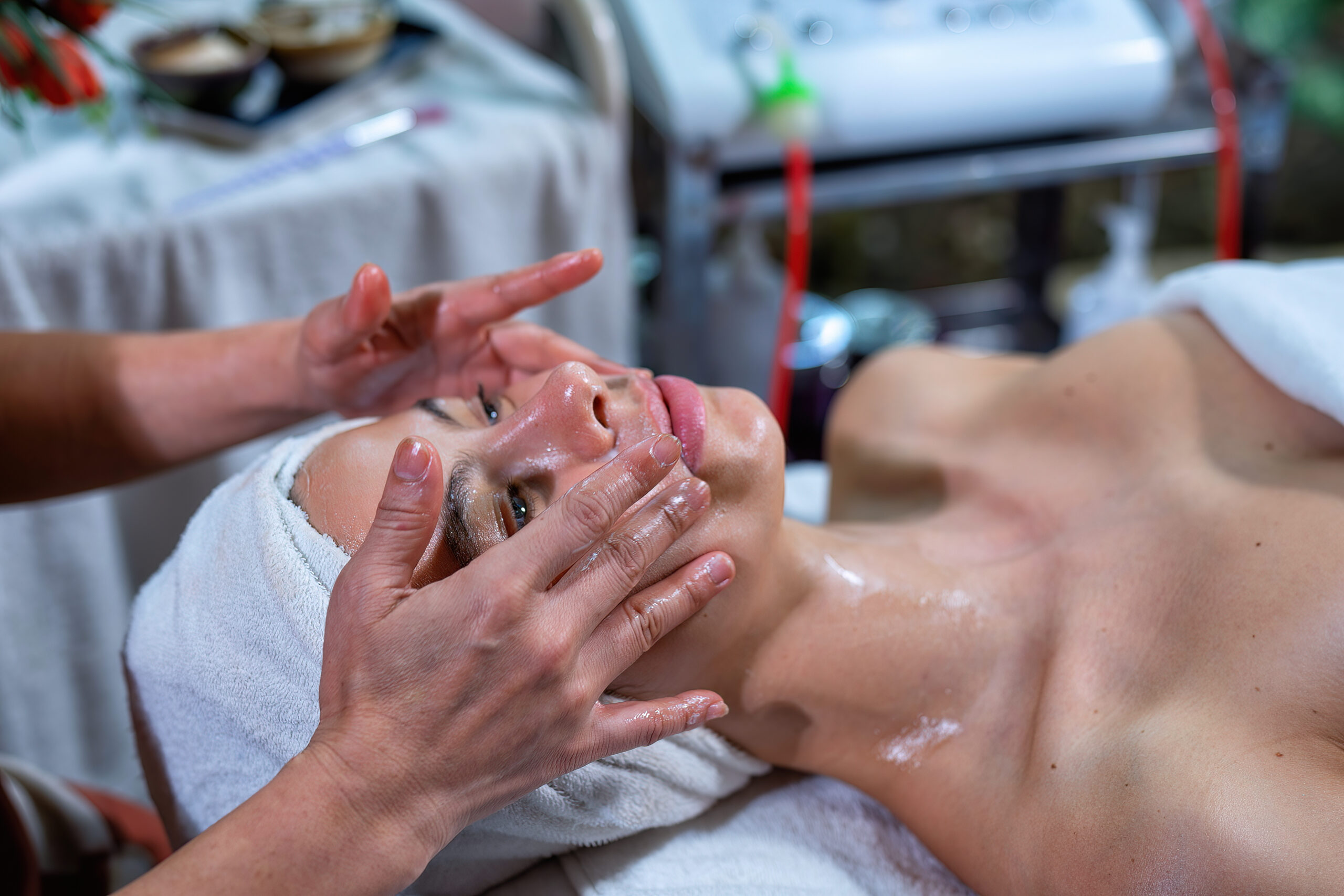
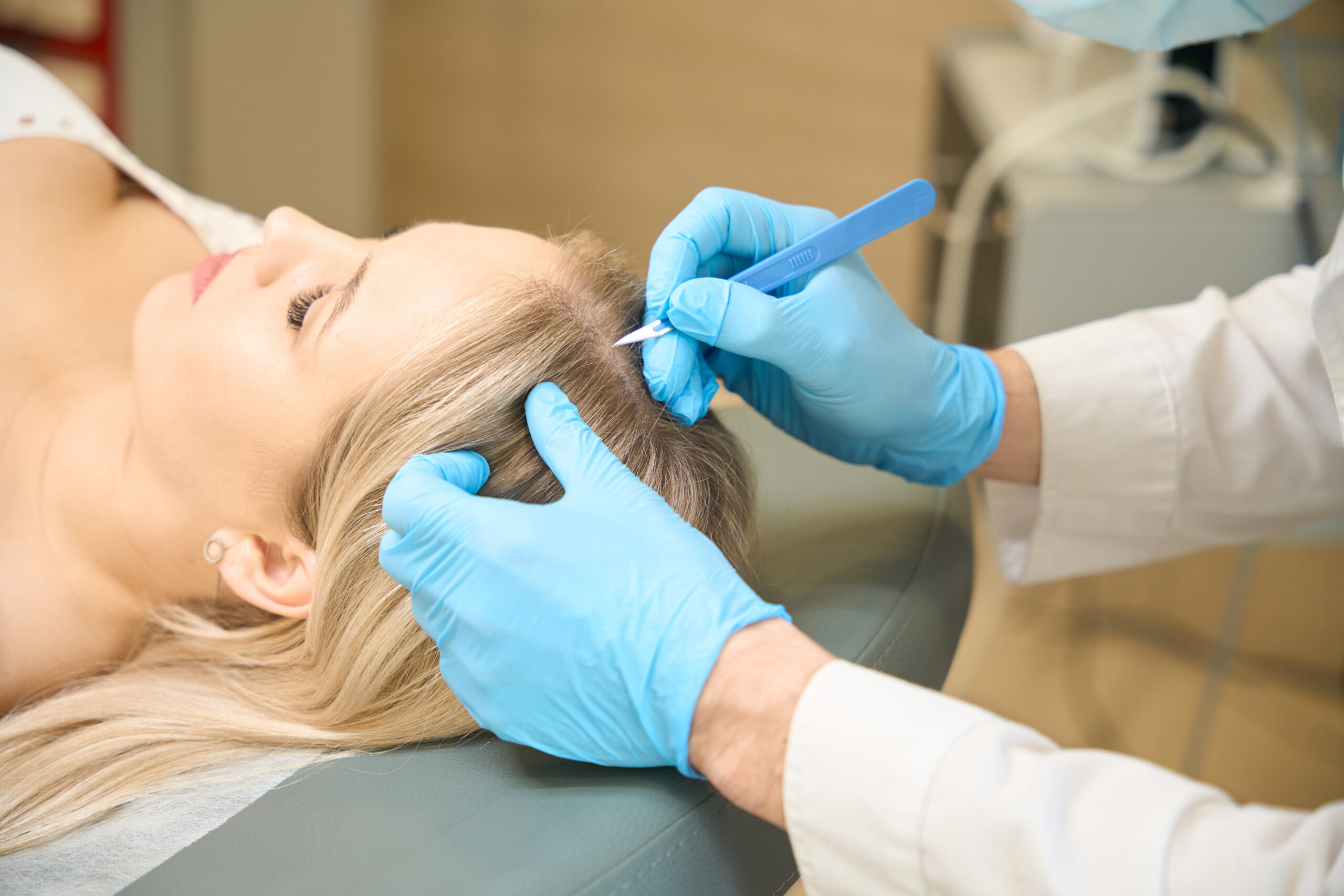
We’ll begin your chemical peel at our New Orleans, LA office by having you lie back in a comfortable position. First, we’ll clean any oil or cosmetics from your skin to ensure we get the best results from your treatment. Once you’re ready, Dr. Payne will massage the appropriate chemical peel solution into your skin and let it sit for a short time as it exfoliates and smooths your skin. A booster, including various brightening agents, including retinol, hydroquinone, and/or Vitamin C, might be added as an additional layer for maximum benefit. Sunscreen will then be applied at the end of the procedure to protect your newly treated skin from UV rays. You should also continue to wear sunscreen or a hat to wear outside following the procedure and try to avoid UV exposure as your complexion heals. At Flourish Dermatology And Aesthetics, we offer different strengths of chemical peels for patients with varying skin care needs. Light glycolic acid peels, medical grade with glow booster, and medium-depth VI Peel chemical peels can be done in a short time, allowing you to rejuvenate your skin with minimal downtime or disruption to your daily schedule. During your consultation, Dr. Payne will speak with you about your options and help you decide which is best for your goals.
After Treatment
Peels remove damaged outer skin, revealing fresher, smoother skin with more even tone. They can also reduce acne, fade pigmentation, and stimulate collagen over time.
Schedule A Private Assessment
Frequently Asked Questions
Will my skin peel after a chemical peel?
It depends on the type and strength of your peel. Lighter peels may cause little to no visible peeling or mild flaking, while more advanced peels can cause noticeable peeling for several days. You do not have to visibly peel to get results.
How many chemical peels will I need?
Many patients benefit from a series of 3–6 treatments, typically spaced several weeks apart. The number of treatments recommended will depend on your skin concerns, peel strength, and desired results. Maintenance peels can also be performed periodically to help preserve your results.
Does a chemical peel hurt?
Most patients tolerate chemical peels very well. You may experience tingling, warmth, stinging, or a mild burning sensation while the solution is on your skin. The intensity varies depending on the type and strength of the peel.
Can I wear makeup after my chemical peel?
We generally recommend avoiding makeup for at least 24 hours after your treatment. With stronger peels, you may be advised to wait longer or until the skin has started to heal. Avoid picking or covering actively peeling skin with heavy makeup.
How much downtime should I expect?
Downtime depends on the depth of your peel. Light peels may cause mild dryness or flaking with minimal downtime, while moderate or advanced peels may cause several days of visible peeling. We will review what to expect based on the specific peel selected for you.
Are chemical peels safe for darker skin tones?
Yes. Chemical peels can be safely performed on melanin-rich skin when the appropriate peel, strength, and treatment plan are selected. At Flourish Dermatology & Aesthetics, treatments are customized to your skin type and concerns to minimize irritation and the risk of post-inflammatory hyperpigmentation.
What can chemical peels improve?
Chemical peels can help improve acne, clogged pores, dark spots, post-acne marks, uneven skin tone, dullness, rough texture, and signs of sun damage or aging, depending on the peel selected.
Who should avoid a chemical peel?
A chemical peel may need to be postponed or modified if you have an active skin infection, open or irritated skin, significant sunburn, or certain underlying skin conditions. Some peel ingredients may also not be appropriate during pregnancy or breastfeeding. Your medical history and current skincare products will be reviewed before treatment to determine which peel is appropriate for you.
What should I avoid after my peel?
Avoid picking or pulling peeling skin, excessive heat, strenuous exercise immediately after treatment, and exfoliating products or active ingredients such as retinoids and acids until your skin has recovered. Daily broad-spectrum sunscreen is especially important after a chemical peel.
Get In Touch
Have questions? Or want to speak with an expert first?